T&S Rohnert Park Spray Foam InsulationT&S Rohnert Park Spray Foam Insulation

Basement insulation in Rohnert Park CA - warmer floors, with moisture checked first

Cold floors upstairs or a chilly, musty basement? We check for dampness, then insulate the walls or the floor above so the house holds heat.

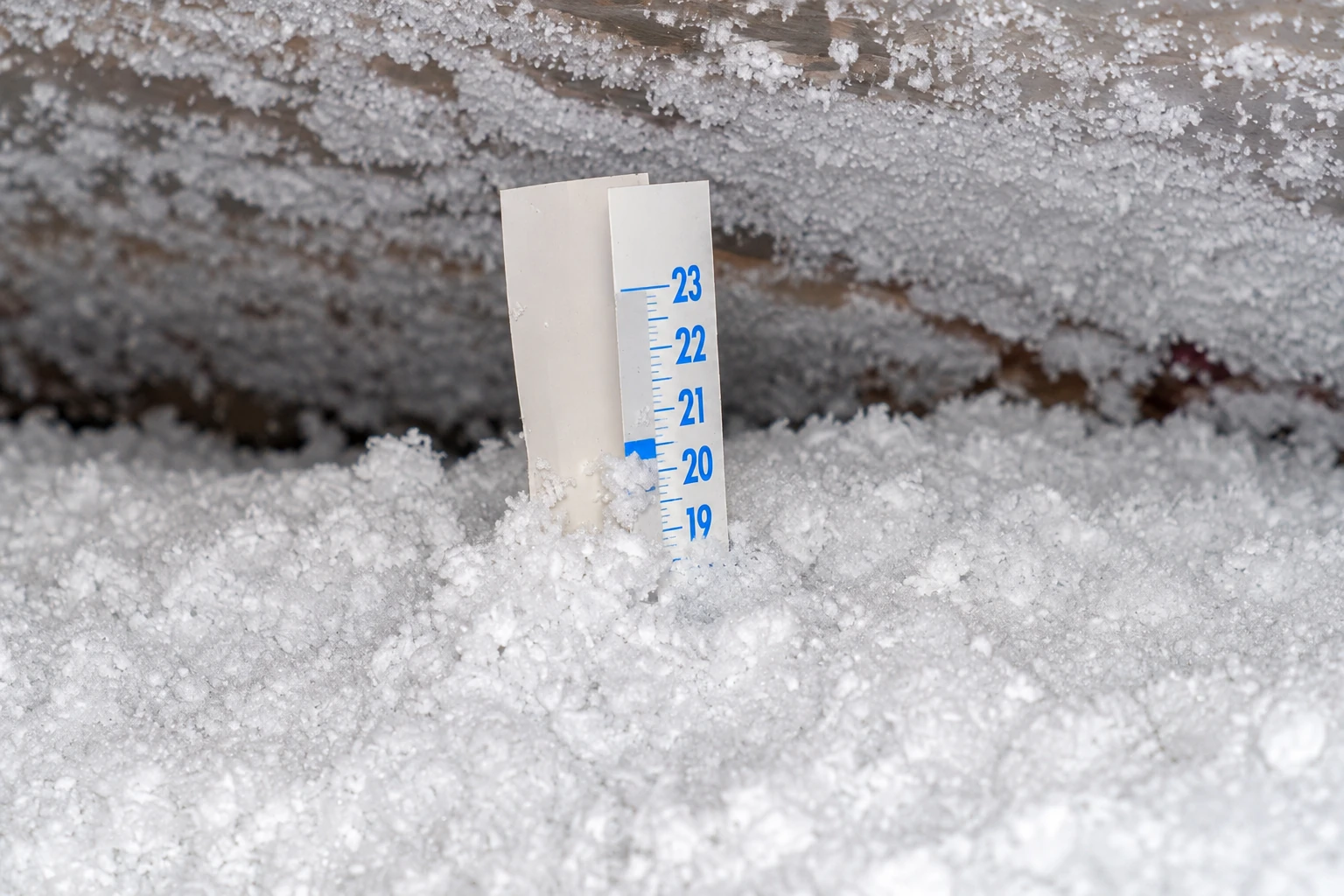
A depth ruler marked 19 to 23 stands in loose white blown-in attic insulation.

Basement insulation in Rohnert Park means putting foam on the basement walls and sealing the rim joists, the wood band where the house framing sits on the foundation, or insulating the floor above instead, so the rooms upstairs stay warmer and less noise travels between floors.

What does basement insulation in Rohnert Park involve?

Most calls start with cold floors in the rooms over the basement, a basement that feels chilly or musty, or a plan to finish the space. The price moves with how much wall there is, whether dampness has to be dealt with first, and whether we insulate the walls or the floor above. Moisture work and a permit, when one's needed, usually stretch the schedule, and the estimate gives you your own figure.

Before you hire anyone, it helps to know that California's contractor license board has an insulation and acoustical classification that covers installing any insulating material. So ask whoever you're considering to show you their license. I'd rather you check than take anybody's word for it, ours included.

What decides how a basement gets insulated

A few things decide what's safe to put on basement walls and how the job gets done. These are the ones I bring up with every homeowner, whatever we end up insulating.

Foam against the foundation

Fiberglass batts and cellulose shouldn't touch a foundation wall, because concrete passes moisture and those materials hold onto it. Rigid foam boards work when they're stuck fully to the wall with no air gap behind them and every edge and seam sealed tight, which is why a sound wall plan puts foam against the concrete.

Furnace and water heater safety

Sealing a basement tighter changes how air moves through it, so gas furnaces, water heaters and other fuel-burning appliances get checked before and after the work to confirm they still run safely. Appliances that don't pull their air through their own outside pipe, which is called sealed combustion, need a qualified contractor to check that they burn safely.

Wall finishes that trap moisture

If you're finishing the basement, some coverings shouldn't go on the inside of those walls because they trap moisture there. That list includes plastic sheeting, vinyl or foil wallpaper, and epoxy, oil or alkyd paint, so plan on other finishes for the basement walls and ask me if you're not sure about one.

What happens when you call us about your basement

Here's how a basement insulation job runs with us, from your first call to the walk-through at the end, so you know who's doing what at each step.

  1. 1

    Call or send a message

    Call (707) 576-6028 or fill out our form, and we'll get back to you to set up a time. Let us know if it's cold floors, a musty smell or a space you want to finish.

  2. 2

    I look over the basement

    I come out, go down into the basement, check the walls, rim joists and floor above, and take photos. Then we sit down together and I show you what I found and what I'd do first.

  3. 3

    Our crew does the work

    On install day our crew lays down floor protection on the way in, preps the walls or ceiling and puts in the insulation, with me or one of our lead installers running the day.

  4. 4

    Walk through the finished job

    Before we pack up, I walk the basement with you so you can see the sealed rim joists and the finished walls or ceiling. Keep an eye on the walls after heavy rain, since dampness is the thing to watch in any basement.

Request an estimate

How we handle basement insulation at your house

On a basement job, I check for dampness before anything goes on the walls. I look for water stains, a white crust on the concrete, damp spots in the corners and around pipes, and that musty smell, because what I find decides whether moisture gets handled first. Then I go over walls versus the floor above with you, what each one does and what fits your budget.

In an existing house, insulating the inside of the basement walls is often the only practical way to do them. For those walls and the rim joists, we usually use closed-cell foam insulation, a dense spray foam that bonds to concrete and blocks moisture. When the floor above makes more sense, open-cell foam insulation costs less, fills the joist bays overhead and quiets footsteps between floors.

Insulate the basement walls

We seal and foam the rim joists and put foam on the foundation walls, so the basement becomes part of the warm side of the house. It's the better fit if you use the space or your furnace and ducts are down there.

Insulate the floor above

We fill the joist bays in the basement ceiling, so the rooms upstairs get warmer floors and the basement stays on the cool side. It suits a basement that's mostly storage with no ductwork running through it.

Get a free basement insulation estimate at your home

Send the form and we'll reply within one business day to set up a time. I come out, look over your basement and the floor above, and show you what I found and what I'd do first. The estimate is free, and there's no obligation.

(707) 576-6028

hello@rohnertparksprayfoaminsulation.com

Basement insulation and permits in Rohnert Park

Rohnert Park's Building Division takes permit applications online from both contractors and owners. Its remodel handouts name kitchen and bathroom remodels, not basement insulation, so they don't settle whether your job needs a permit. When one's needed, we apply for it, keep you posted and set up the inspections with the city. When it's unclear, we check with the building office before work starts.

If you'd rather pull a permit yourself, the city's building handouts include an owner-builder disclosure form and the residential submittal requirements, so you can see what an application needs. We're based here and work across Sonoma and Marin counties, from Cotati to Petaluma and plenty of cities beyond. The basement calls we get usually start the same way, with cold floors upstairs or a space someone wants to finish.

Why Rohnert Park homeowners call T&S about their basements

I got my start hauling bags and crawling through attics on a small crew, and the lead I worked under taught me to look at the whole house before selling anybody anything. I opened T&S Rohnert Park Spray Foam Insulation in Rohnert Park in 2021, so we've been at it five years, and I still come out for every estimate myself.

We're licensed and insured. Our promise is satisfaction guaranteed. I'll also tell you straight when a basement doesn't need foam on every wall, because I'd rather you spend on the work that pays off. When you're ready, call (707) 576-6028 or send us a message and I'll come take a look.

Closed-cell foam insulation

Pick this when you want the foundation walls and rim joists insulated and sealed against air and moisture in a single pass of spray foam.

Open-cell foam insulation

A good fit when the basement is mostly storage and you'd rather warm and quiet the rooms upstairs by filling the ceiling joists overhead.

Cities we cover around Rohnert Park

We're based in Rohnert Park and do basement insulation across the cities around it in Sonoma and Marin counties. These cities have their own pages, and we work in plenty of others nearby too.

Basement insulation questions we hear most

How much does basement insulation cost in Rohnert Park?

Insulating a basement usually costs about $4.40 to $6.40 per square foot across the US, which is a typical national price, not our quote for your house. Your cost turns on the wall area, whether moisture work comes first and whether we insulate the walls or the floor above. The estimate gives you the price for your basement.

Should I insulate my basement walls or the floor above?

Insulating the basement walls generally works better, but it's usually the more expensive choice. That's why some owners insulate the floor above purely to keep the cost down, so it comes down to weighing results against your budget. I'll walk you through both once I've seen your basement.

Does a damp basement need work before it's insulated?

Yes, a damp basement gets its moisture handled before any insulation goes in. Insulating over a moisture problem can hide it, and sometimes the insulation traps water against the wall and makes the damage worse. That can add a step to the plan, and I'll tell you at the estimate whether yours needs it.

How long does basement insulation take?

How long it takes depends mostly on the basement's size and whether moisture work has to happen first, and I'll lay out the plan once I've seen it. A permit adds time when one's needed, and a basement packed with storage takes longer to clear and prep before the crew can start.

What should I have ready before a basement insulation estimate?

Have a rough idea of the basement wall area in square feet, any signs of dampness you've noticed and what kind of furnace and water heater you have. Clearing a path to the walls and the rim joists also helps me see what's there and give you a clearer plan.

Plan your insulation before the drywall goes up

Foam goes against bare concrete, so if you're finishing your basement, call (707) 576-6028 or send a message before framing starts.

(707) 576-6028Request an estimate