
Spray foam insulation
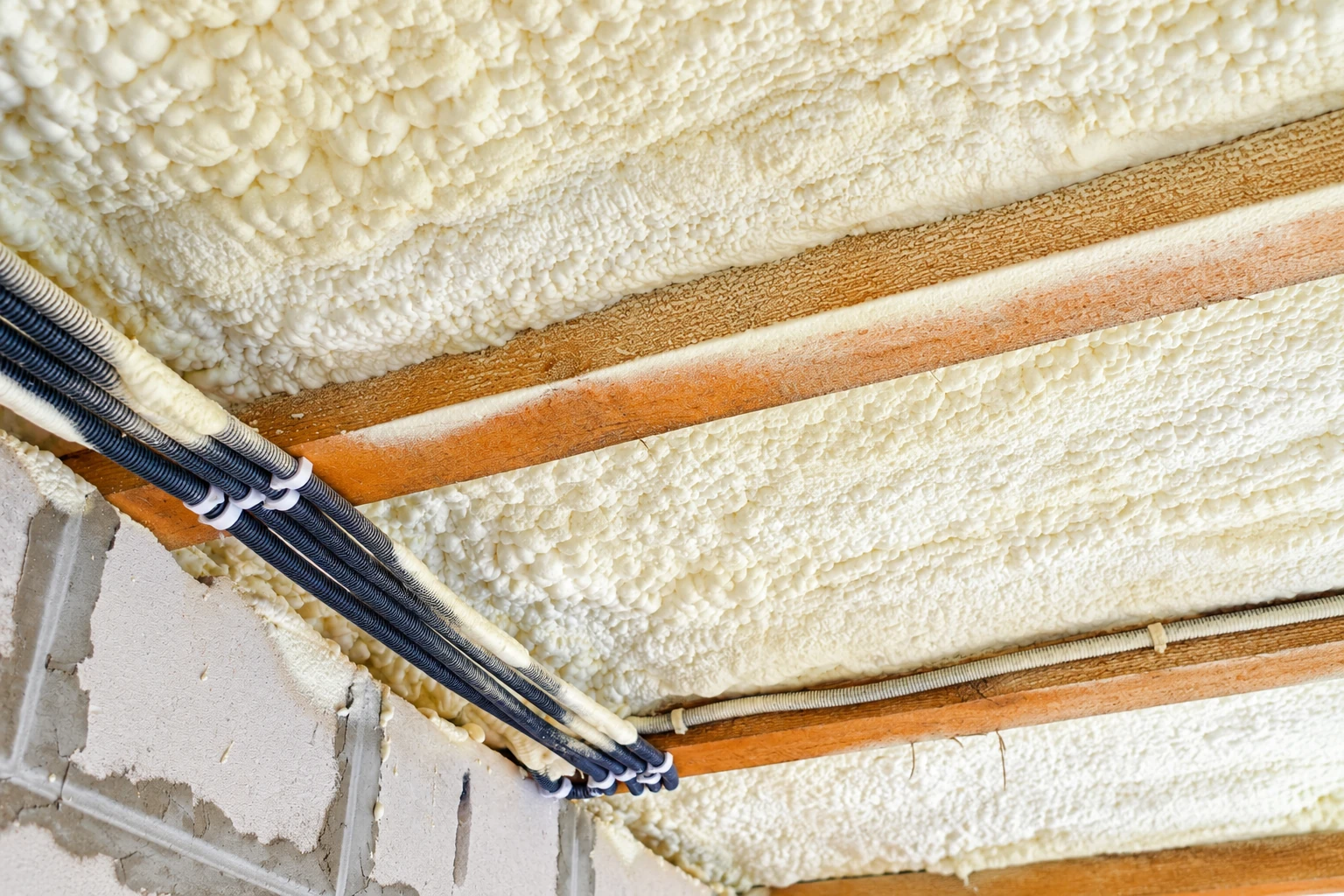
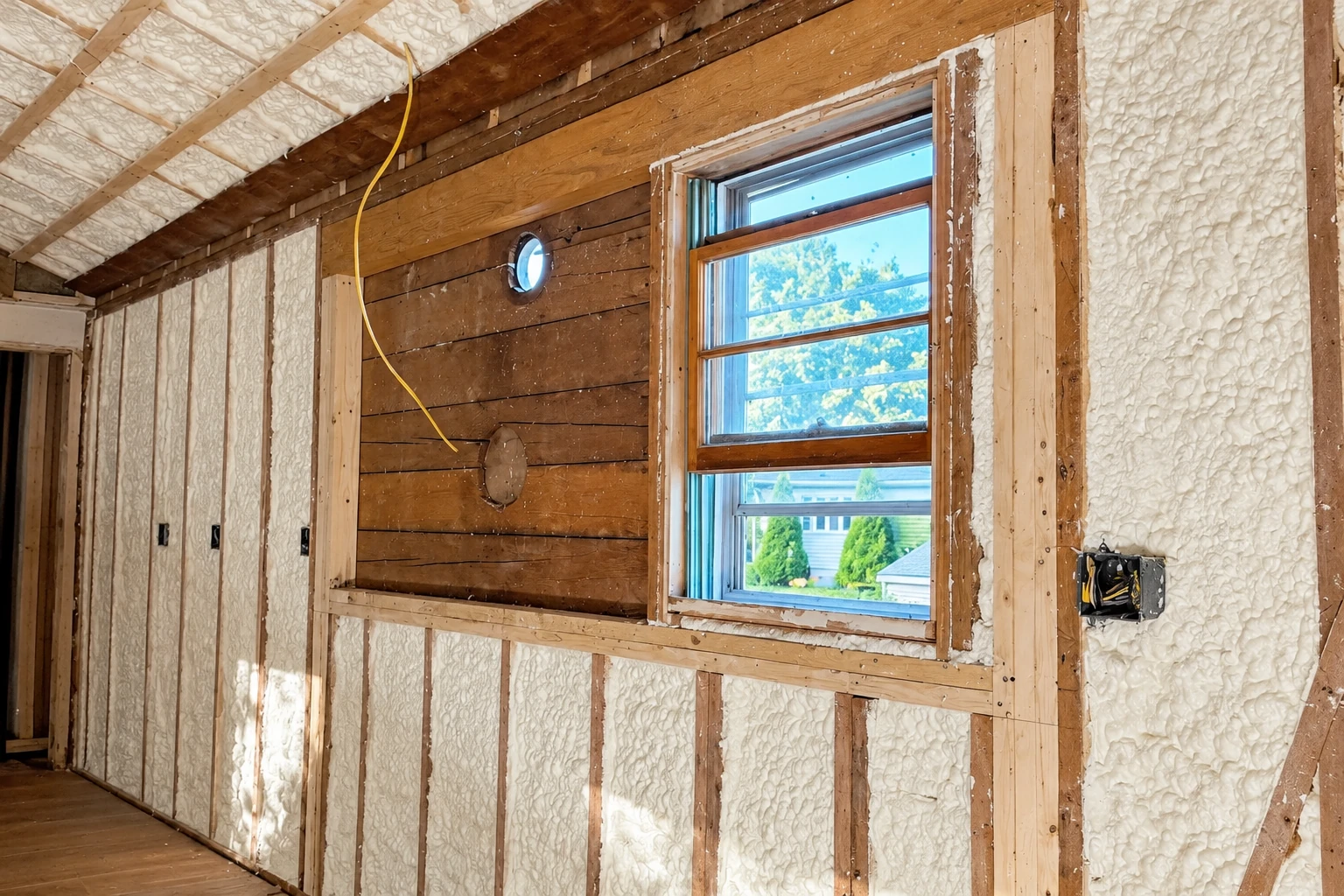
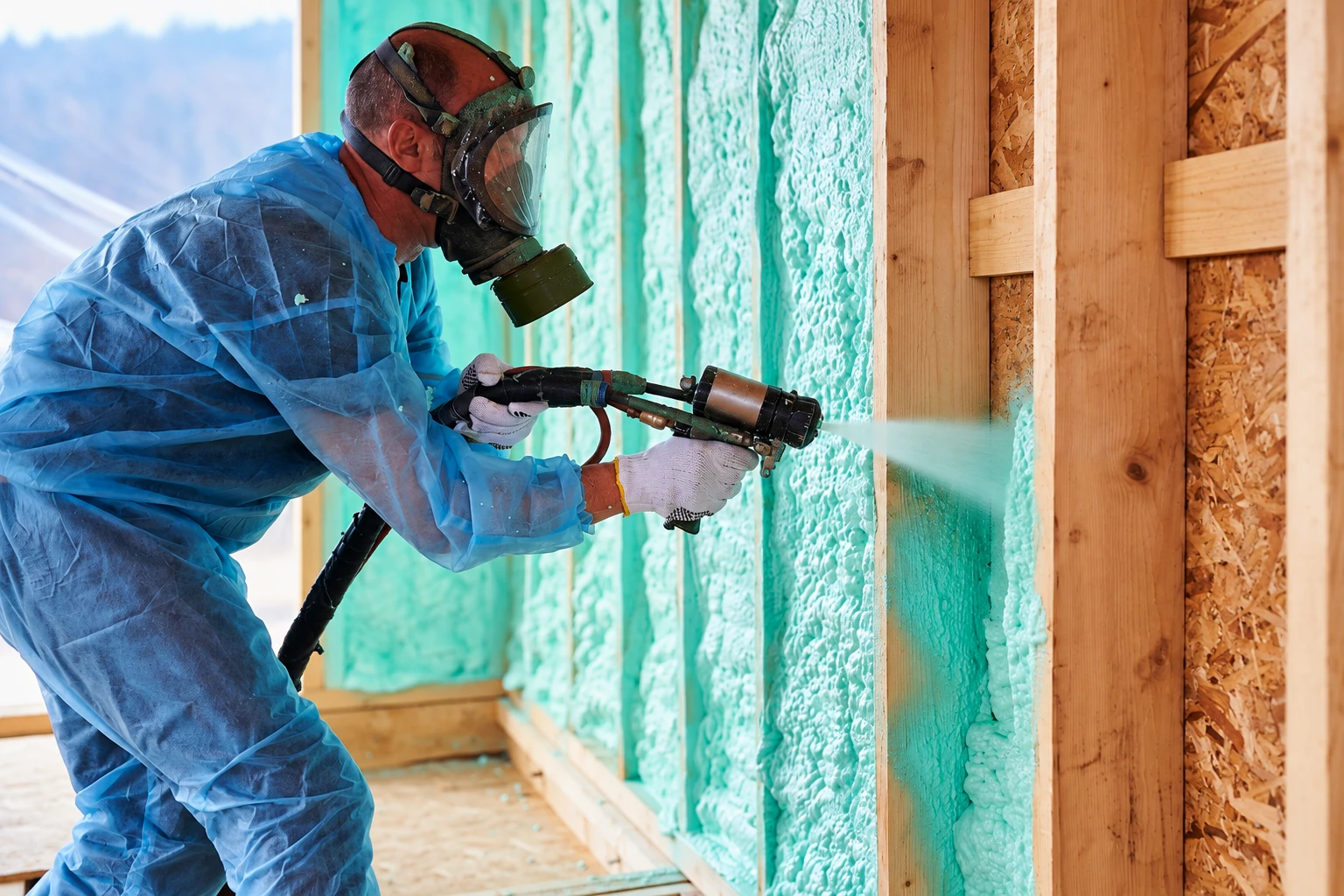
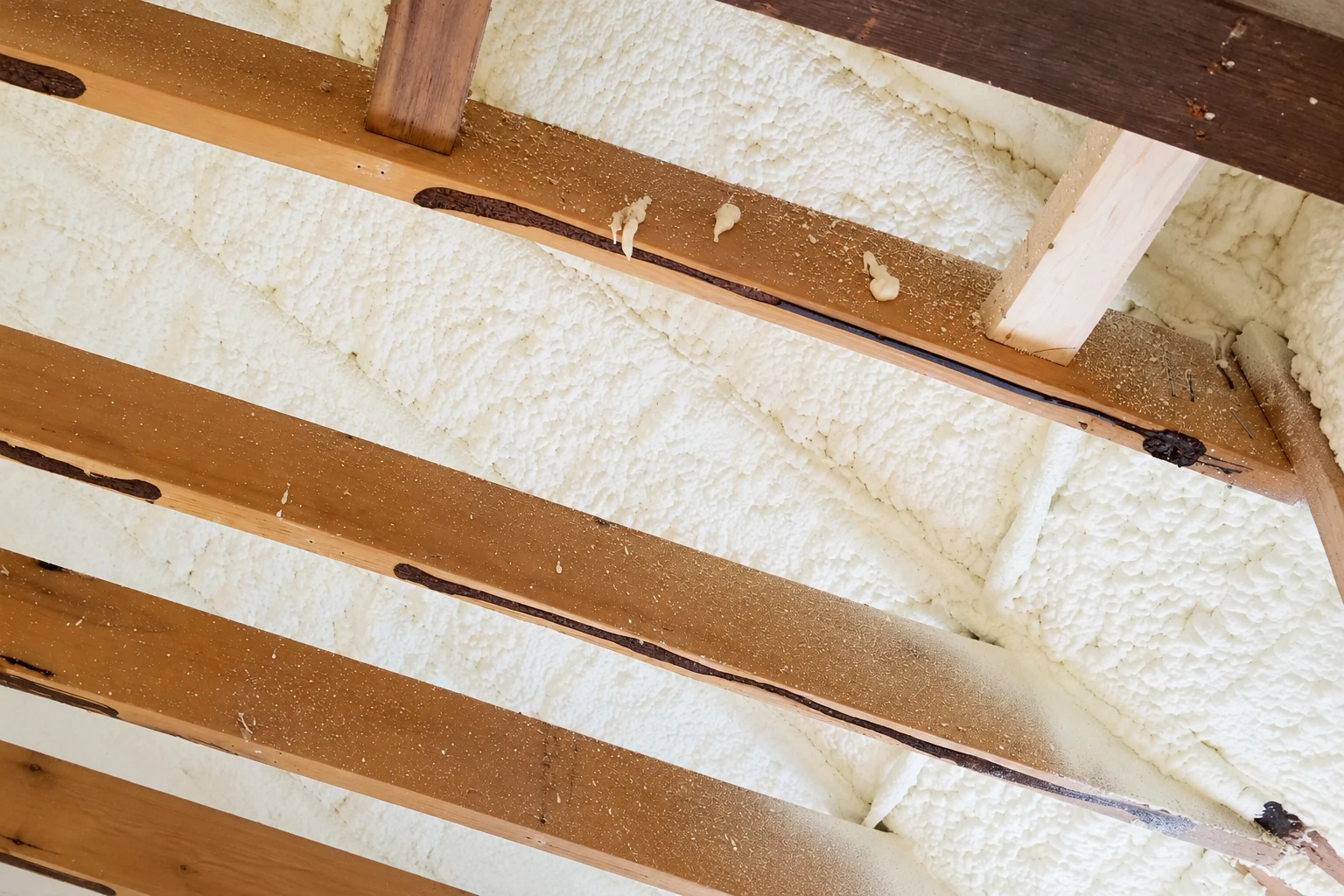
Spray foam suits sloped ceilings and tight framing where loose fill won't stay put, because it sticks where it's sprayed and seals air as it insulates.
T&S Rohnert Park Spray Foam Insulation is an insulation contractor working in Novato, CA. We seal the gaps in attics and crawl spaces first, then add insulation or spray foam, so drafty rooms and a hot upstairs even out.
T&S Rohnert Park Spray Foam Insulation does attic, wall and crawl space insulation in Novato, along with air sealing, old insulation removal and spray foam. Most Novato calls start the same way, with a drafty room, a hot upstairs or a power bill that keeps climbing, and we work out why before we add anything.
A lot of the Novato homes we work in have been lived in a long time, and the attic is the thing the owners have been meaning to get to for years. Before I suggest anything, I look at the whole house, the attic, the crawl space and the rooms that bother you, because the fix for cold floors and the fix for a hot upstairs usually aren't the same.
My usual advice is air sealing, closing the gaps before insulating, and then topping up with blown-in insulation, loose fill blown through a hose. Spray foam costs more and seals air while it insulates, so I only push for it when the ductwork lives up in the attic. It's the same order we follow in Cotati and the other cities we work in.
Spray foam suits sloped ceilings and tight framing where loose fill won't stay put, because it sticks where it's sprayed and seals air as it insulates.
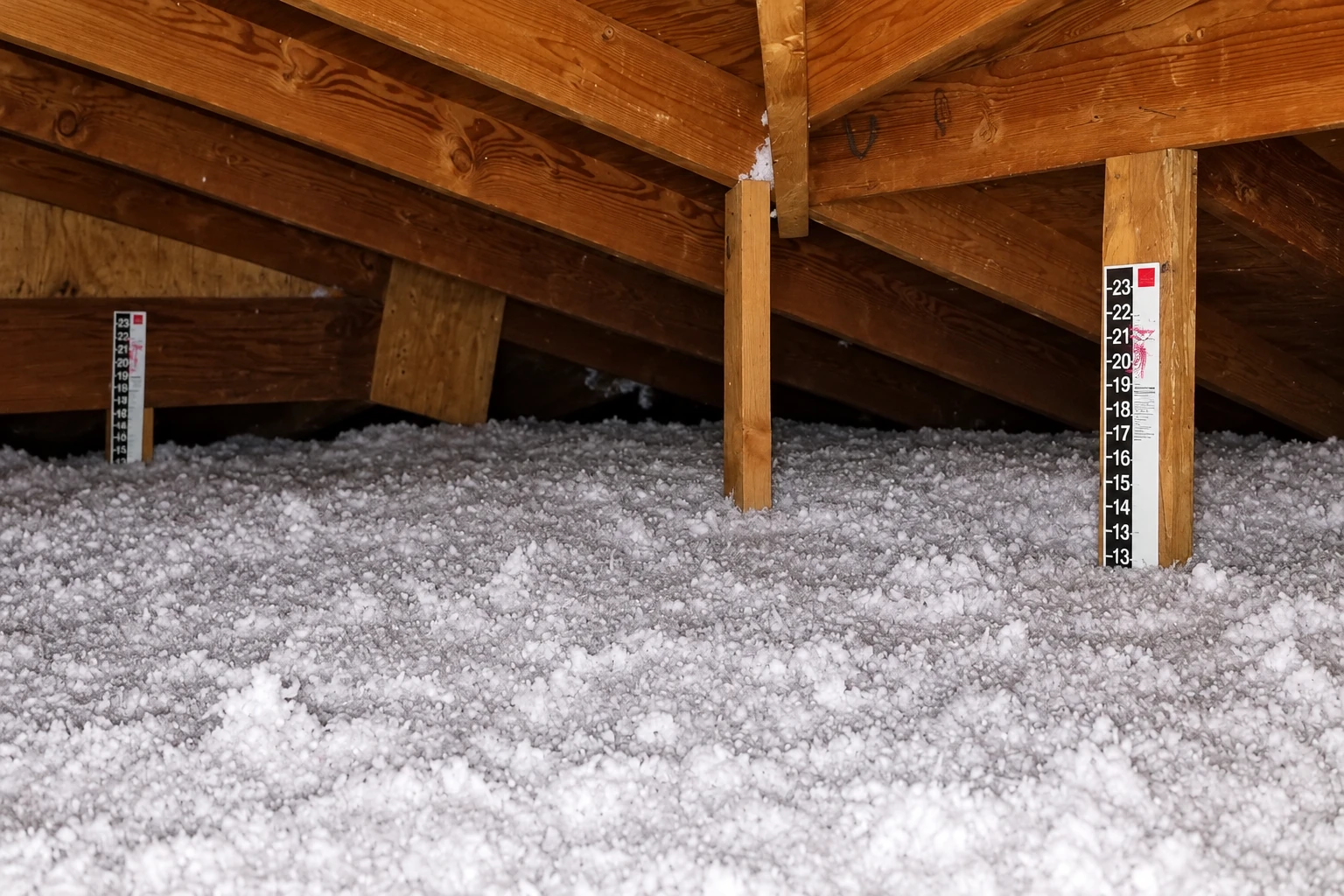
When the upstairs runs hot or the old fill has settled thin, we seal the attic floor, then bring the insulation to an even depth out to the eaves.
Blown-in fill reaches the corners near the eaves that rolls of insulation miss, and it's usually the simplest way to top up an older attic without tearing out what's still good.
Cold floors downstairs and a hot upstairs usually share a cause, so we look at the whole house and fix it in order instead of one spot at a time.
Insulation that's been soaked or filled with droppings has to come out before anything new goes in, or the smell and the damage stay right where they were.
Cold floors over a crawl space usually mean the insulation under them has sagged or fallen, so we put it back snug against the floor above, where it does its job.
Older walls that feel cold to the touch can often be filled through small holes from outside or inside, without opening up whole sections of drywall.
Drafts often sneak in through outlets, plumbing runs and gaps where walls meet floors, so we find and close those around the house before adding insulation.
When a basement feels damp and chilly, we insulate the walls in a way that keeps moisture from getting trapped behind the new material.
Closed-cell foam, a dense foam that blocks moisture, fits spots like crawl space walls and the edges of the floor framing, where damp air would soak into softer insulation.
Open-cell foam is softer and quieter, so it suits rooflines and interior walls where you want air stopped and sound dampened, and moisture isn't the worry.
For offices, shops and small commercial buildings in Novato, we work around your hours and seal the drafts that run up heating and cooling costs.
Bare dirt under the house sends moisture up into the floor framing, so we lay a sealed plastic cover over the ground before the crawl space gets insulated.
A vapor barrier keeps moisture from moving into walls, floors or ceilings where it can soak the insulation, and we place it on the side your house needs.
Before any fill goes up, we seal the attic floor around can lights, pipes, wiring and the hatch, so warm air stops escaping through the ceiling below.
In an older house you already live in, retrofit work adds insulation where it's missing without a remodel, working through the attic, the crawl space and the walls.
Send the form and we'll reply within one business day to set a time, then I come out to your Novato home myself to look at the attic and crawl space. The estimate is free, and there's no obligation to book anything.
(707) 576-6028In Novato, building permits come from the City of Novato Building Division, which reviews plans and sends its own inspectors out to the job. That shapes your schedule, because the city only books an inspection once a permit has been issued, so when your job needs one, the permit comes first and the work follows.
You can check two things about any contractor. The state licensing board requires contractors to pass its exams before getting a license, with a few narrow exceptions, and the city expects anyone doing business in Novato to hold its business license. We're licensed and insured, and when a job needs a permit, we apply for it, keep you posted and set up the inspections. If it's not clear one is needed, I check with the city first.
The price moves with the size of the attic or crawl space, whether old insulation has to come out, how many gaps need sealing and whether foam or loose fill makes sense for your house. The schedule turns mostly on the permit and on how easy the space is to get into. You'll get your own figure when I come out, the same way we do it in Petaluma and San Rafael.
I started out as a helper on a small insulation crew, hauling bags and crawling through attics, and the lead I worked under taught me to look at the whole house before selling anybody anything. I opened this business as an insulation contractor in Rohnert Park, CA in 2021, and that habit came with me. I come out for every estimate myself, and I'll tell you when something isn't worth the money.
Our crew does the work, with me on site or one of our lead installers running the day, and the steps nobody sees get the most care, like sealing the gaps before insulation covers them and keeping the eave vents clear so the attic can breathe. Satisfaction guaranteed. Call (707) 576-6028 or use our contact form to set up a visit.
These are the spots that usually explain a drafty room or a hot upstairs, and the ones I look at on every Novato estimate before suggesting a fix.
Loose fill packs down over the years, so an attic that looked full once may be a lot thinner now. R-value, how well insulation slows heat, drops right along with the depth. I measure how many inches are up there in several spots, because coverage that's deep in the middle and thin at the edges is common, and it's backward.
If one bedroom is always hotter or colder than the rest, it's often sitting over the garage. The floor between the two is usually short on insulation or has gaps where the insulation pulled away from the framing. We seal those gaps and fill the floor snug, which is one of the more direct ways to even out a room nobody likes sleeping in.
Insulation shoved tight into the eaves can bury the vents that let the attic breathe, and once that happens, moisture starts showing up in the framing. Before we blow any fill, we set baffles, simple chutes that hold an air path open along the roof. That way we can carry the insulation out to the edges without closing off the airflow.
Cold floors usually lead us under the house. We check whether the insulation in the floor framing has sagged or dropped onto the ground, whether animals have nested in it, and whether the dirt down there is bare. Bare ground keeps feeding damp air up into the floor, so a vapor barrier usually goes down before new insulation goes up.
The cost comes down to your attic's size, what's already up there and how much sealing it needs before new insulation goes in. Pulling out soaked or dropping-filled material adds to it, and spray foam costs more than topping up loose fill. I'll give you a figure for your house once I've been up there.
I'll tell you that for your own house at the estimate, because the time up there turns on whether old insulation has to come out and how many gaps need sealing first. Topping up a clear, dry attic goes a lot quicker than a removal job. Either way, we lay out the plan before we start.
Yes, for spray foam you, your kids and your pets stay out until the re-entry time, the point when it's safe to come back in, has passed, and that time depends on the product. We go over it with you before the job is booked. With blown-in fill, most families stay home while we work.
Clear a path to the attic hatch or crawl space door and move anything stored around the opening, because the crew and the hose need room to get in. Leave space in the driveway for our truck and keep pets in another room. We cover floors and furniture near the access and clean up when we're done.
Insulation isn't on the city's instant permit list, which covers like-for-like water heater, HVAC and electrical panel replacements, reroofs, window and door replacements and bathroom or kitchen remodels. Even those are issued instantly only after the city confirms them. That list doesn't settle whether your insulation job needs a permit, so I check with the city before work starts.
Inspection requests go through the city's online portal, Novato Permits, and the city will only schedule one for a permit that's already been issued. The person asking has to be listed as a contact on that permit record, and applying online takes a Novato Permits account. When we apply for the permit on your job, we book the inspections.
We answer from 6 AM to 10 PM on weekdays and 8 AM to 10 PM on weekends, so call (707) 576-6028 or use our contact form whenever it suits you.