T&S Rohnert Park Spray Foam InsulationT&S Rohnert Park Spray Foam Insulation

Blown-in insulation in Rohnert Park CA - an even layer out to every edge

Hot upstairs rooms and a climbing power bill usually trace back to a thin, leaky attic. We seal it, then fill it evenly.

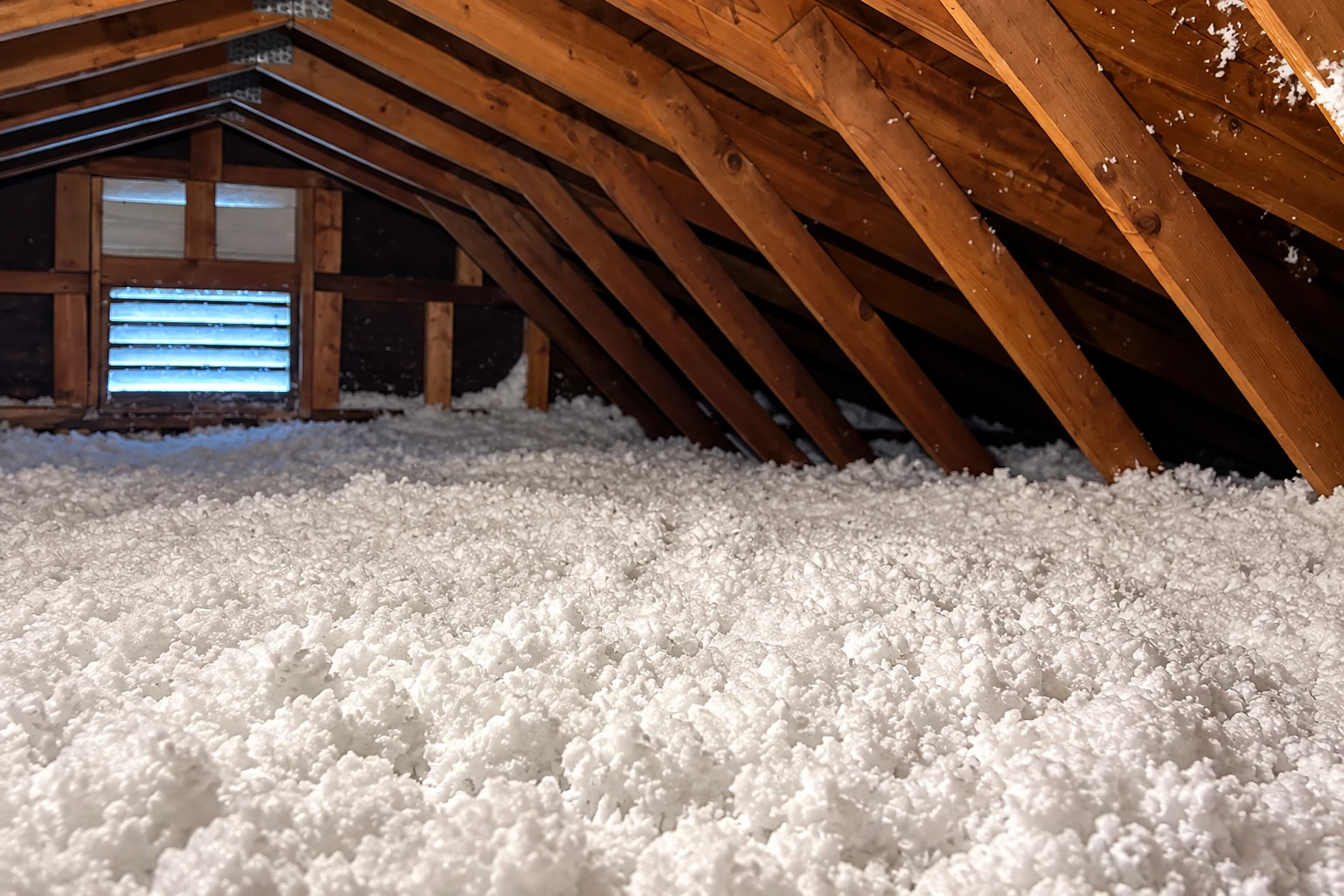
Loose white blown-in insulation blankets an attic floor beneath exposed wooden roof trusses.

Blown-in insulation is loose fill, blown through a hose across your attic floor, and for a lot of houses in Rohnert Park it's the most direct way to cool down hot upstairs rooms and hold winter heat in the house.

Is your attic ready for blown-in insulation?

Most people call me because the upstairs is hot by afternoon, the room over the garage never feels right, or the power bill keeps creeping up. When I go up there, I usually find old insulation that's settled thin over the years, plus gaps around lights, pipes and the hatch where house air slips straight into the attic. Blown-in fixes the thin part, and sealing those gaps first fixes the rest.

The price mostly comes down to the size of your attic, how much is already up there, whether old or damaged material has to come out, how many gaps need sealing and how easy the space is to move around in. The schedule turns on the same things, plus any repairs that have to happen before we insulate. Your own number comes from the visit, once I've seen what's up there.

What has to be right before we blow it in

Blown-in goes on top of whatever is already in your attic, so a few things get checked and sorted out before the hose ever goes up the ladder.

Problems that get fixed first

Wet or damp insulation, moldy or rotted framing, vents dumping moist air into the attic, poor ventilation and old knob and tube wiring all need attention before new insulation goes in. Covering them just hides them, so if I find one, the repair becomes the first part of your plan.

Hot flues and chimneys

Metal flues from a furnace or water heater and masonry chimneys get hot, and building codes usually call for a gap between them and the insulation. ENERGY STAR advises a metal dam to hold the fill back, because loose material drifts and can settle right up against anything hot.

Getting into the attic

A small hatch in a closet ceiling or a low, crowded attic makes the work slower and harder, and it's one reason this is a job for a crew with the right gear. The hatch itself is a common leak too, so it gets sealed and insulated like the rest of the ceiling.

What happens after you call us about your attic?

From the first call to the last walk-through, here's who does what, so you know when I'll be at your house and when the crew will.

  1. 1

    Call or send a message

    Call us or use the form, tell us what's bugging you about the house, like a hot bedroom or a drafty hallway, and we'll get back to you to set up a time for me to come out.

  2. 2

    Go through the attic together

    I climb into the attic, take photos and then sit down with you to show what I found and what I'd do first. You see your own attic before you decide anything.

  3. 3

    Let the crew do the work

    On the day of the work, our crew lays down protection on your floors, handles the prep up top and does the install in the order we went over at your kitchen table.

  4. 4

    Walk the finished job

    Before we pack up, I walk through the finished job with you and answer whatever questions you have about what's up there now and what to keep an eye on.

Request an estimate

How we install blown-in insulation

Blown-in only does its job when it reaches every edge and stays out of the eaves, the part of the roof that hangs past your walls. So once the gaps are sealed, we set up vent paths at the roof edge with baffles, short channels that keep air moving under the roof and keep the fill from spilling over. Bury those vents and the attic can't breathe, and moisture ends up in the framing.

Then we keep the layer level across the whole ceiling. The common mistake is a deep pile in the middle, where it's easy to reach, and a thin strip at the edges, which is backward because the edges sit right over your outside walls. When we're done, I show you the finished attic so you can see the coverage for yourself.

If the old layer is soaked or full of droppings, we don't blow over it, because the problem just stays in your ceiling, so we clear it out first with insulation removal. And if the attic is only part of the story, with cold floors or drafty rooms elsewhere, I'm happy to look at the rest of your home insulation during the same visit.

Seal the gaps and top up

For most attics, sealing the gaps and topping up with loose fill gets you the most for your money. It's what I usually recommend, because the leaks get closed and the fill does the insulating.

Foam when ducts live up there

Spray foam costs more, but it seals air while it insulates. If your heating and cooling ducts run through the attic, foam can be worth it, and I'll lay out both options before you choose.

Get a free look at your attic and a plan for it

Send the form and we'll reply within 1 business day to set up a time. I'll come out, go up into your attic, take photos and show you what I found and what I'd do first. The estimate is free, done at your home, with no obligation.

(707) 576-6028

hello@rohnertparksprayfoaminsulation.com

Blown-in insulation and permits in Rohnert Park

The city's Building Division issues permits for new construction, alterations and repairs, but its list names things like reroofs and carports, not blown-in insulation, so it isn't settled whether your attic job needs one. When it's unclear, we check with that office before work starts. If one is needed, the city only issues it to a licensed contractor or the owner, so we apply, keep you posted and set up the inspections.

California's energy code also has a section covering insulation added to existing attics, and new insulation should meet or exceed current code levels, which I keep in mind when I plan your job. Here in Rohnert Park, most calls are hot upstairs rooms and attics nobody has touched in years, and we do the same work in Cotati and Petaluma.

Why homeowners call T&S Rohnert Park Spray Foam Insulation

I started out hauling bags and crawling through attics on a small crew, and the lead I worked under taught me to look at the whole house before selling anybody anything. I opened this business in Rohnert Park in 2021, so we've been at it for 5 years. I come out for every estimate myself, and our crew does the work with me on site or one of our lead installers running the day.

We're licensed and insured. California has its own contractor license for insulation work, so it's fair to ask anyone bidding on your attic which license they hold. Satisfaction guaranteed. When you're ready, call (707) 576-6028 or send us a message.

Insulation removal

When the old attic insulation is wet, moldy or full of droppings, clearing it out gives the new layer a clean, dry floor to sit on.

Home insulation

If drafts and cold floors show up beyond the upstairs, a look at the crawl space and walls shows where else your house is losing heat.

Cities we serve around Rohnert Park

We're based in Rohnert Park and do blown-in attic work across the cities around it in Sonoma and Marin counties, including the ones below and plenty of others nearby.

Blown-in insulation questions we hear most

How much does blown-in attic insulation cost around Santa Rosa?

Attic insulation in the Santa Rosa area usually costs about $1,700 to $5,600 per job. That's the area's usual price, not a quote from us. Where your attic lands depends on the things I check at the estimate, like size, what's already up there and how much sealing it needs.

Do I need to seal air leaks before blowing in insulation?

Yes, the attic floor should be air sealed before the blown-in goes on, because loose fill slows heat but doesn't stop air moving through the gaps underneath it. Adding insulation is the right time to do both, so we plan the sealing and the fill as one job.

What should I do if my attic in Rohnert Park has old vermiculite insulation?

Leave it alone and assume it may contain asbestos, which is what the EPA tells homeowners. If you decide to have it taken out, that goes to a trained, accredited asbestos abatement contractor, separate from whoever assessed it. We won't stir it up or blow new insulation over it.

Can you blow insulation into my existing walls too?

Usually, yes. Existing walls are often filled through small holes made near the top of each wall cavity, from inside or outside, a fairly uninvasive method called drill and fill. I can look at your walls during the attic visit and tell you whether wall insulation makes sense.

Do we have to leave the house while you blow in attic insulation?

Usually not. The work happens up in the attic, so most families stay home, and we just ask that kids and pets stay clear of the hatch and the hose while the crew works. If anything about your job changes that, I'll tell you at the estimate.

How do I get my house ready for blown-in insulation?

Clear a path to your attic hatch, whether it's in a closet, a hallway or the garage, and move anything stored right under it. If you've seen wet insulation, mold or old wiring up there, mention it when you call so I can plan for it.

Have us check your attic first

Call (707) 576-6028 or use the form, because one trip up there usually tells us whether you need a simple top-up or some fixes first, and you'll know which before anything is booked.

(707) 576-6028Request an estimate