
Spray foam insulation
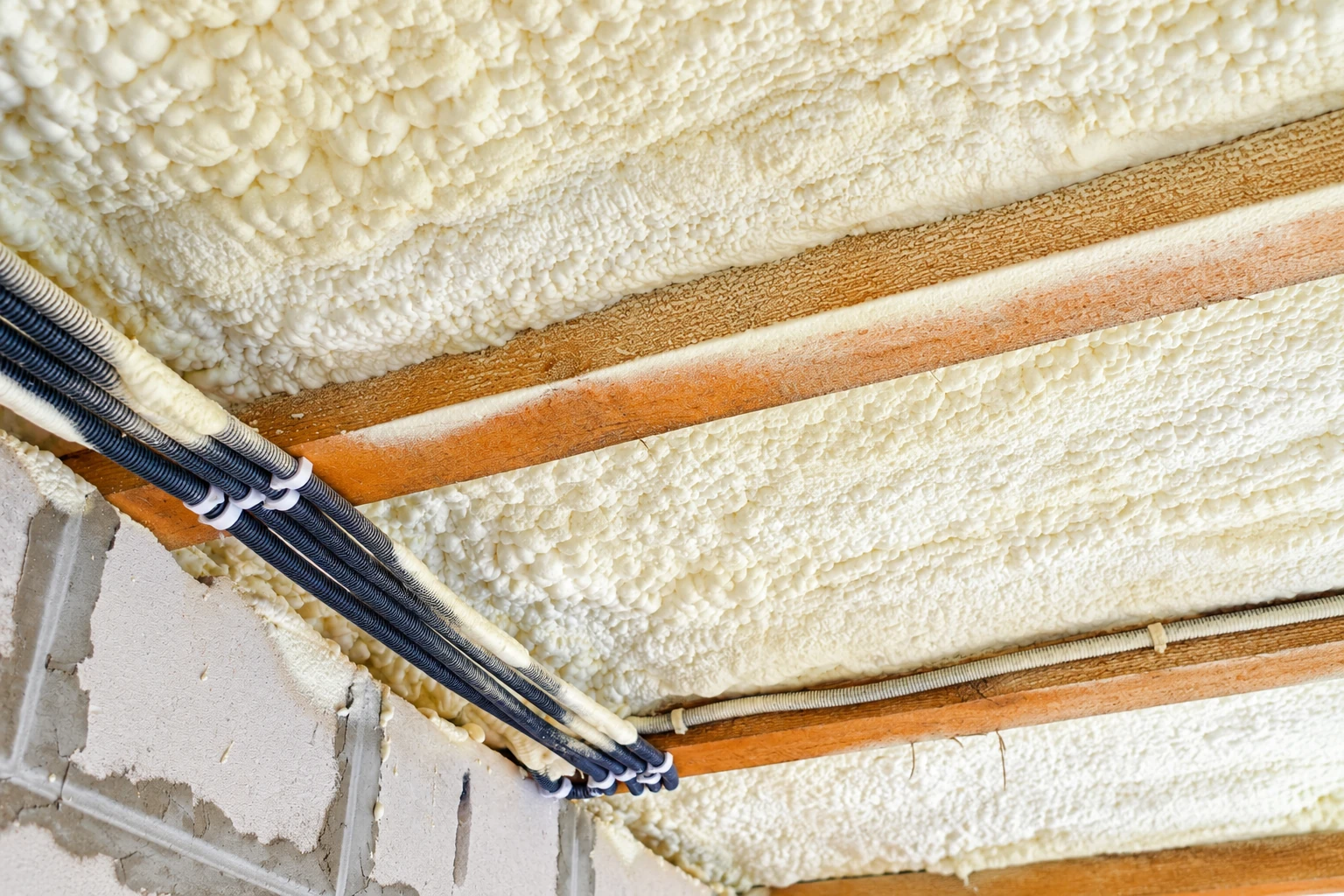
Spray foam fills odd framing and seals air as it goes, which helps most in attics where the ductwork runs and loose fill can't keep up.
T&S Rohnert Park Spray Foam Insulation is an insulation contractor working in Petaluma, CA. We seal the gaps in attics and crawl spaces, then add or replace insulation so drafty rooms and hot upstairs bedrooms even out.
T&S Rohnert Park Spray Foam Insulation handles attic, wall and crawl space insulation in Petaluma, along with air sealing, which means closing the gaps before any insulation goes in. Most calls here start with a room that won't stay warm, an upstairs that's hot by afternoon or cold floors, and I'll find out what's really causing it.
Petaluma gives us a real mix of houses. We see older homes on raised floors with a crawl space underneath, single-story ranch houses with low, tight attics, and two-story places where the upstairs bedrooms run hot all summer. Each one loses heat a little differently, so when I come out I get up into the attic, look under the floor and measure how many inches of insulation are already there before I suggest anything.
The room over the garage and the back bedroom that never warms up are calls we get a lot. Usually it's thin insulation, gaps nobody sealed, or both. Petaluma is a short drive from our base in Rohnert Park, and our crew does the same work in Cotati and down into Novato, so you get the same approach on either side of the county line.
Spray foam fills odd framing and seals air as it goes, which helps most in attics where the ductwork runs and loose fill can't keep up.
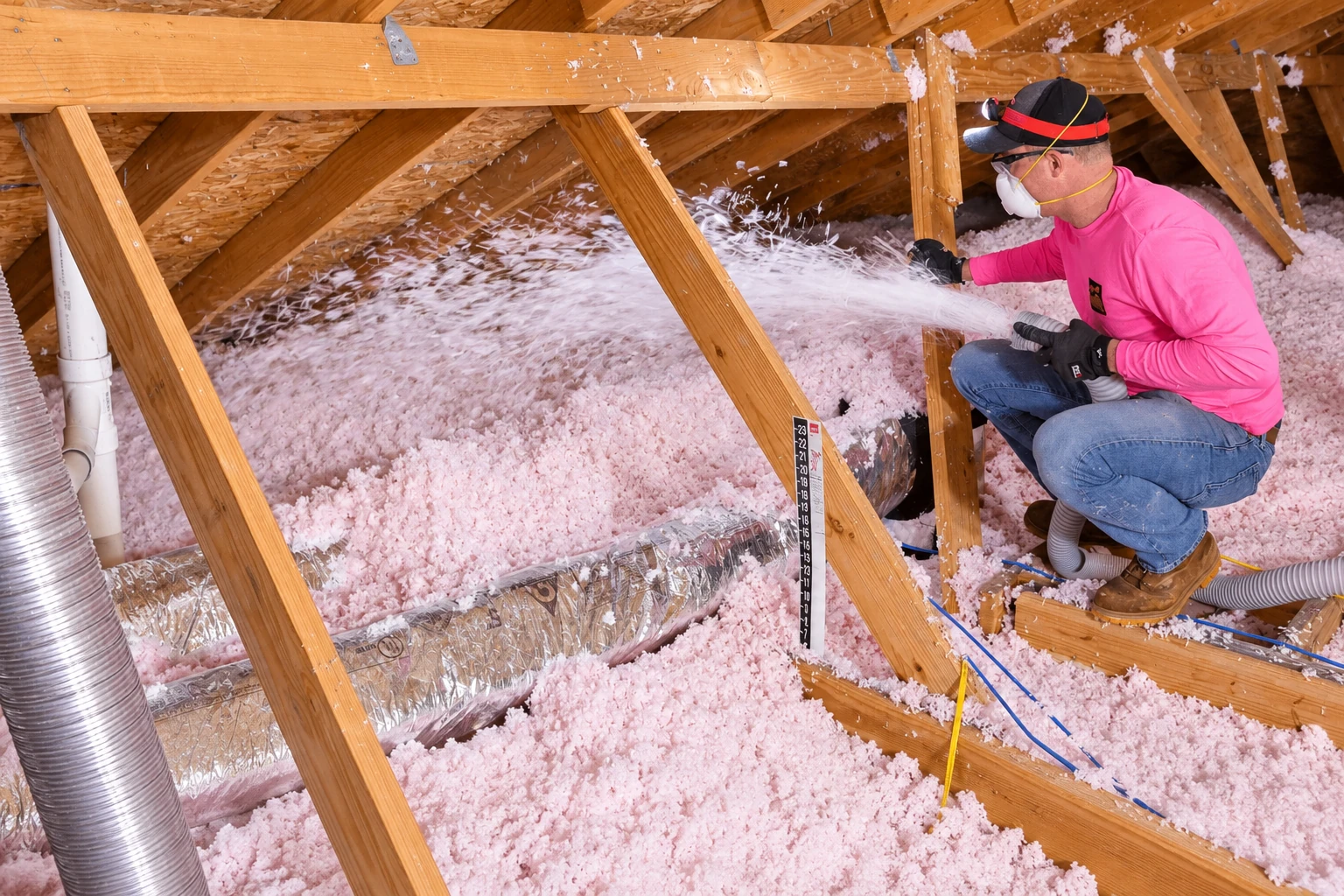
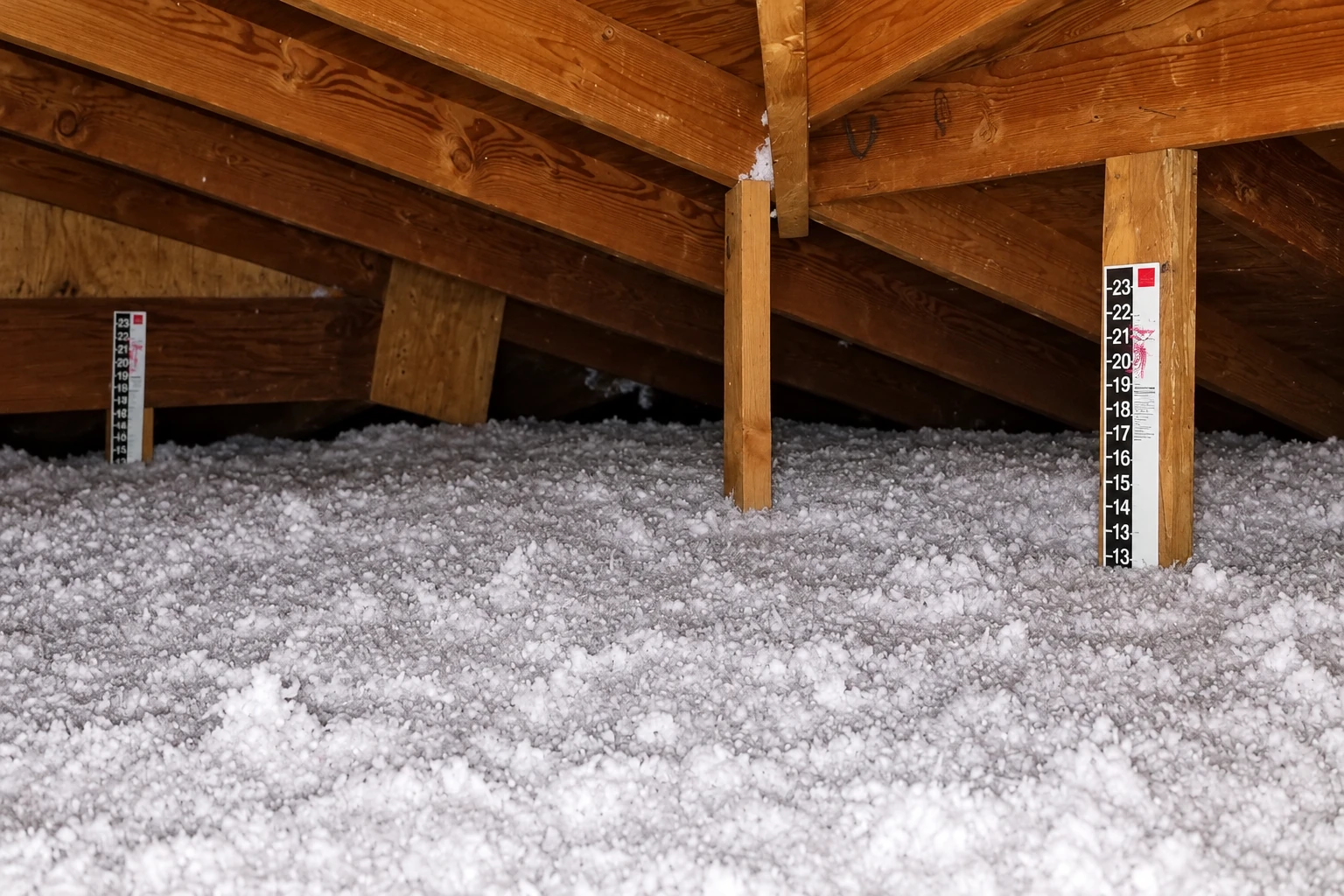
When the upstairs is hot by afternoon, we seal the attic's gaps first, then bring the insulation up to full depth from the eaves to the middle.
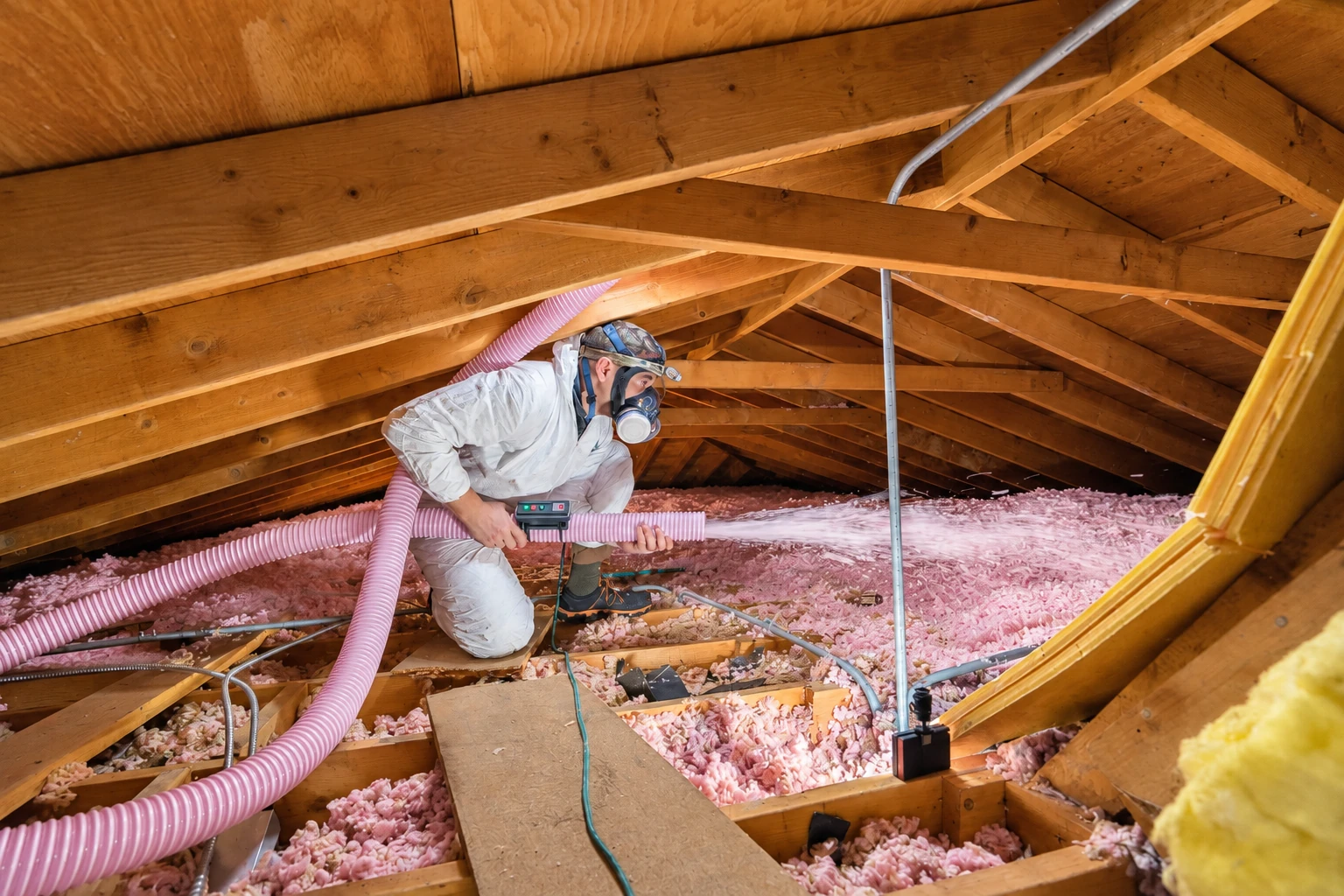
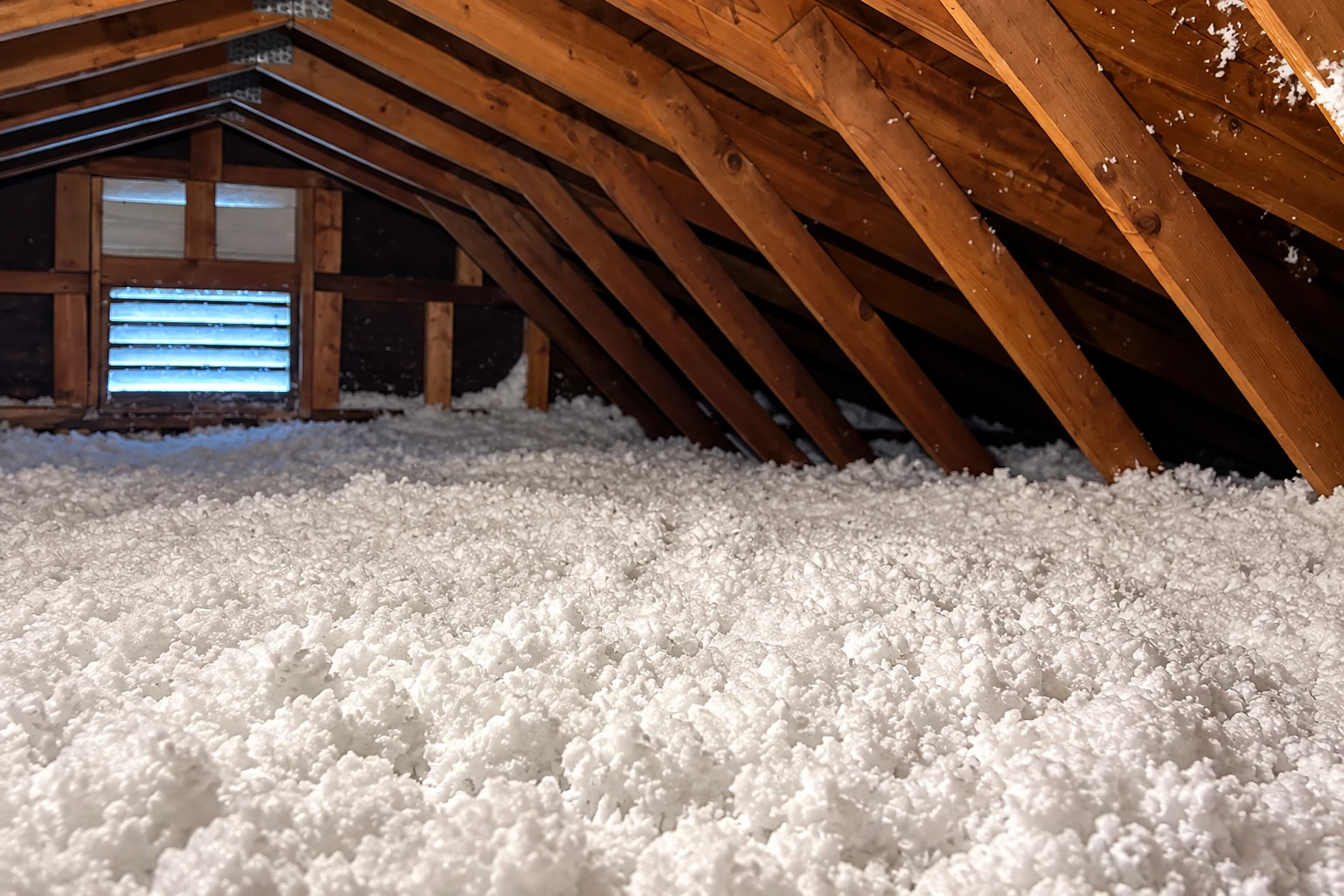
Blown-in insulation, loose fill blown through a hose, tops up a thin attic quickly and settles around joists and wiring where batts leave open spots.
For a house that's drafty in more than one spot, we look at the attic, walls and crawl space together and tackle them in the order that pays off first.
Old insulation that's soaked, flattened or full of rodent droppings has to come out first, because new material laid over it just buries the problem.
Cold floors in an older raised house usually mean the crawl space underneath is open to outside air, so we insulate between the floor joists from below.
Outside walls that feel cold to the touch in winter are often empty or half full, and we can usually fill them without opening up your finished rooms.
We close the cracks around pipes, wires, recessed lights and the attic hatch, so the drafts stop before any new insulation goes down on top.
When a house has a basement or a half-basement under part of it, insulating those walls and the rim joist keeps the floor above from feeling cold.
Closed-cell foam, a dense foam that blocks moisture, suits crawl spaces and rim joists where damp air gets in and fluffy insulation would just soak it up.
Open-cell foam is lighter and softer, and it works well under a roof deck or inside walls where you want the air sealed but don't need a moisture block.
For shops, offices and small commercial buildings around Petaluma, we insulate and seal ceilings and walls so the space holds its temperature through the workday.
A heavy plastic barrier laid over the dirt in a crawl space keeps ground moisture from rising into the floor framing and the insulation above it.
Where a wall, floor or ceiling needs a moisture layer before insulation goes in, we put the right barrier on the right side so it doesn't trap water.
Before we add anything to an attic, we seal the openings around chimneys, plumbing stacks and light housings, because that's where warm air quietly leaves the house.
Retrofit work adds insulation to an older house without remodeling it, which is the usual fix when a home was built with little or nothing in the walls.
Send the form and we'll reply within one business day to set a time that works for you. I come out to your Petaluma house myself for the estimate, look at the attic and crawl space, and walk you through what I find. It's free, and there's no obligation to book anything.
(707) 576-6028If your insulation job needs a permit, the City of Petaluma issues it, and that can set the schedule more than the work itself. The city says most permits take a few weeks or even several months, though some come over the counter or within a few days. When it isn't clear whether a job needs one, we check with the city's building office before we start, and if it does, we apply, keep you posted and set up the inspections.
Before you hire anyone, there are two things worth checking. The city's business license application asks a contractor for their state contractor's license number, listed as a CSLB number, and its expiration date, so ask any contractor for that number and whether they hold a Petaluma business license. We're licensed and insured, and I'm happy to go over our paperwork with you at the estimate.
On price, the biggest swing is what's already in your attic and whether it can stay, then how many gaps need sealing and which material fits your house. The schedule turns on any permit and on our calendar. I'll lay all of that out for your house when I come out, after I've been up in the attic and under the floor.
I come out for every estimate myself, because I want to see your attic and crawl space before anyone talks about materials. I started as a helper hauling bags and crawling through attics, and the lead I worked under taught me to look at the whole house first. I still work that way, and I'll explain what's going on up there in plain words, including when something isn't worth the money.
Our crew does the work, with me on site or one of our lead installers running the day, so someone experienced is in charge every day we're at your house. We've been doing this since 2021, we're licensed and insured, and our work is satisfaction guaranteed.
If you're ready to have someone look at it, call (707) 576-6028 or send our request form, and I'll set up a time to come out to your house in Petaluma. Tell us what you're noticing, whether it's a drafty back bedroom, a hot upstairs or cold floors, and I'll come with the right questions.
These are the things that most often make or break an insulation job in a Petaluma house, and what our crew does about each one before we call the work done.
In a lot of older Petaluma houses, the attic already has something in it, and the real question is whether it's worth keeping. If it was soaked by an old roof leak or it's full of rodent droppings, laying fresh material over it just hides the problem. We pull that out first and clean up, so the new layer starts on a clean ceiling.
Insulation slows heat, but it does very little against moving air. If the gaps around can lights, plumbing pipes and the attic hatch stay open, warm air slips right past the new layer every winter night. That's the step nobody sees once the job is done, and it's the one I care most about, so our crew seals those openings before a single bag goes in.
Two mistakes show up in attics we're called to fix. Insulation gets blown right over the vents at the eaves, so the attic can't breathe and moisture starts showing in the framing. Or the middle is piled deep while the edges stay thin, which is backward. We set baffles, simple chutes that hold insulation back from the vents, and carry full depth out to the eaves.
Foam costs more, and it seals air while it insulates. For most attics, sealing the gaps and topping up with loose fill is the better use of your money. The exception is when your furnace ductwork runs through the attic, because foam on the underside of the roof brings those ducts inside the insulated space. I'll tell you plainly which one your house needs.
The cost turns on your attic's size, what's already up there and whether that old layer can stay or has to come out. Sealing a lot of gaps adds labor, foam costs more than blown-in, and adding more R-value, meaning how well insulation slows heat, takes more material. I'll walk you through those choices once I've seen your attic.
The city's list of permit examples names work like water heaters, solar panels and decks, and it doesn't name insulation, so we ask the building office about your job before we start. Building questions go to building@cityofpetaluma.org, and when a permit is needed, the application is filed online through the city's Permits & Planning Hub, which we take care of for you.
Yes. The city's instructions have a business located outside Petaluma complete the business license application and pay. For contractors, the business tax is based on gross receipts in the city the year before, with a $49.00 minimum. Those instructions carry no date, so check the city's business license instructions for current figures.
Clear a path to the attic hatch and the crawl space opening, and move anything stored right under them, because our crew will be carrying hose and material through there. If the hatch is in a closet or the garage, empty the area around it. We cover the floors along our path and clean up before we leave.
Time on site mostly turns on whether old insulation has to come out first, since removal and cleanup take longer than blowing in new material. Sealing the gaps adds time too, and it's worth every minute. I'll tell you what to expect for your house, and what we'll be doing each day, at the estimate.
For blown-in work, most families stay home while we're up in the attic. Spray foam is different, because the foam maker sets a re-entry time, meaning how long before you can come back inside, and we follow it. I'll give you that time before the job is scheduled, so you can plan for the kids and pets.
We pick up seven days a week until 10 PM, so call (707) 576-6028 after work or send the form and tell us what's going on up there.