
Spray foam insulation
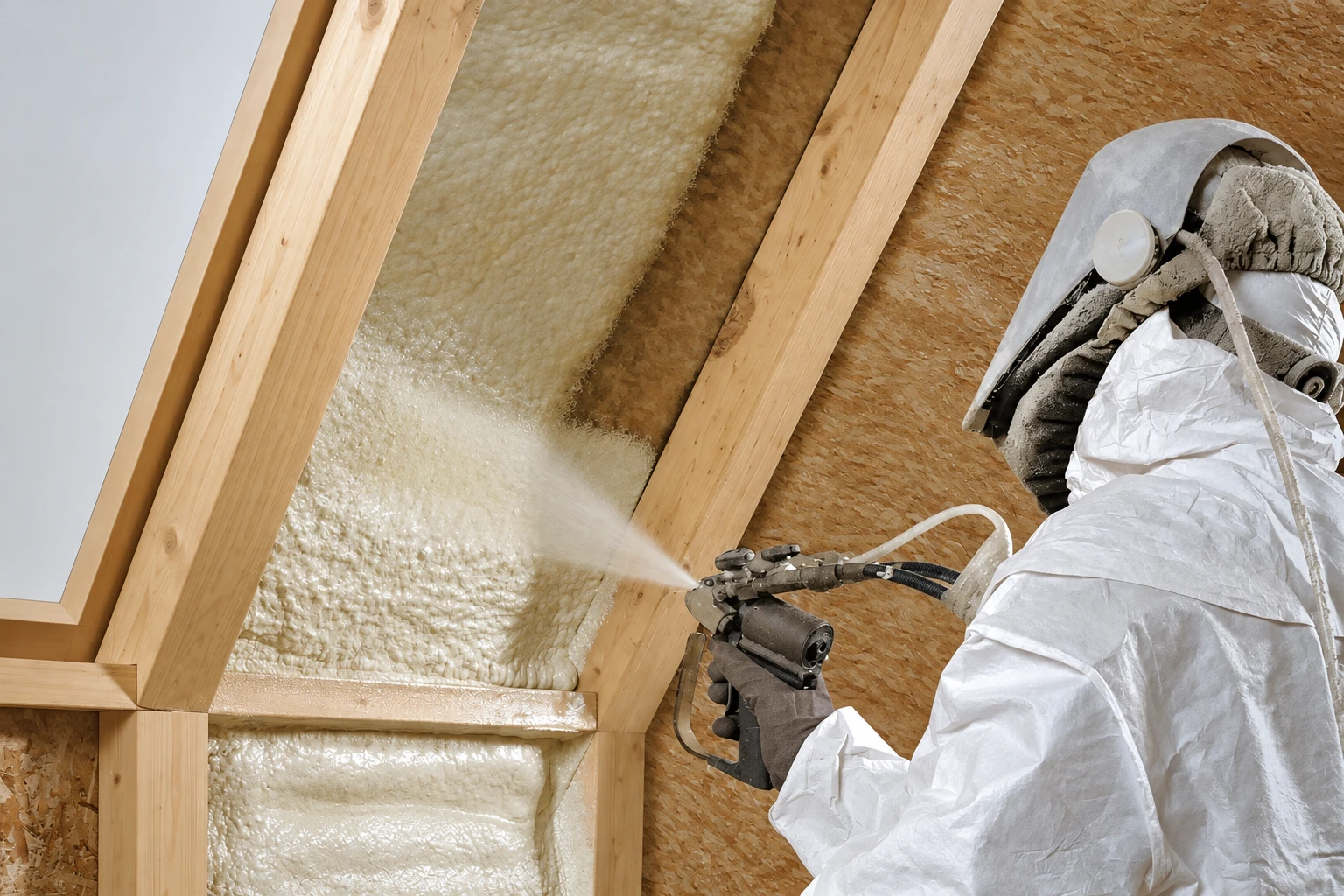
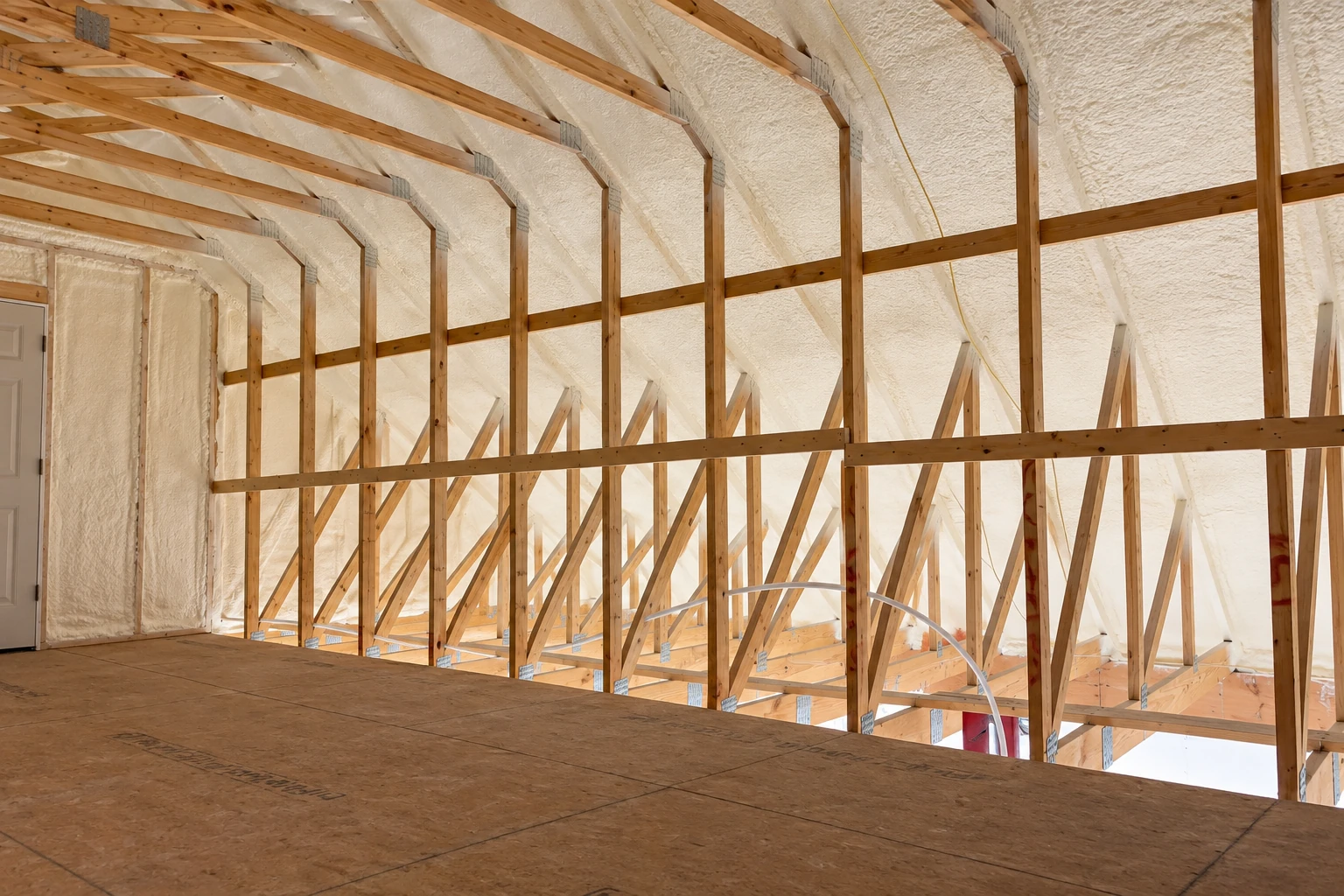
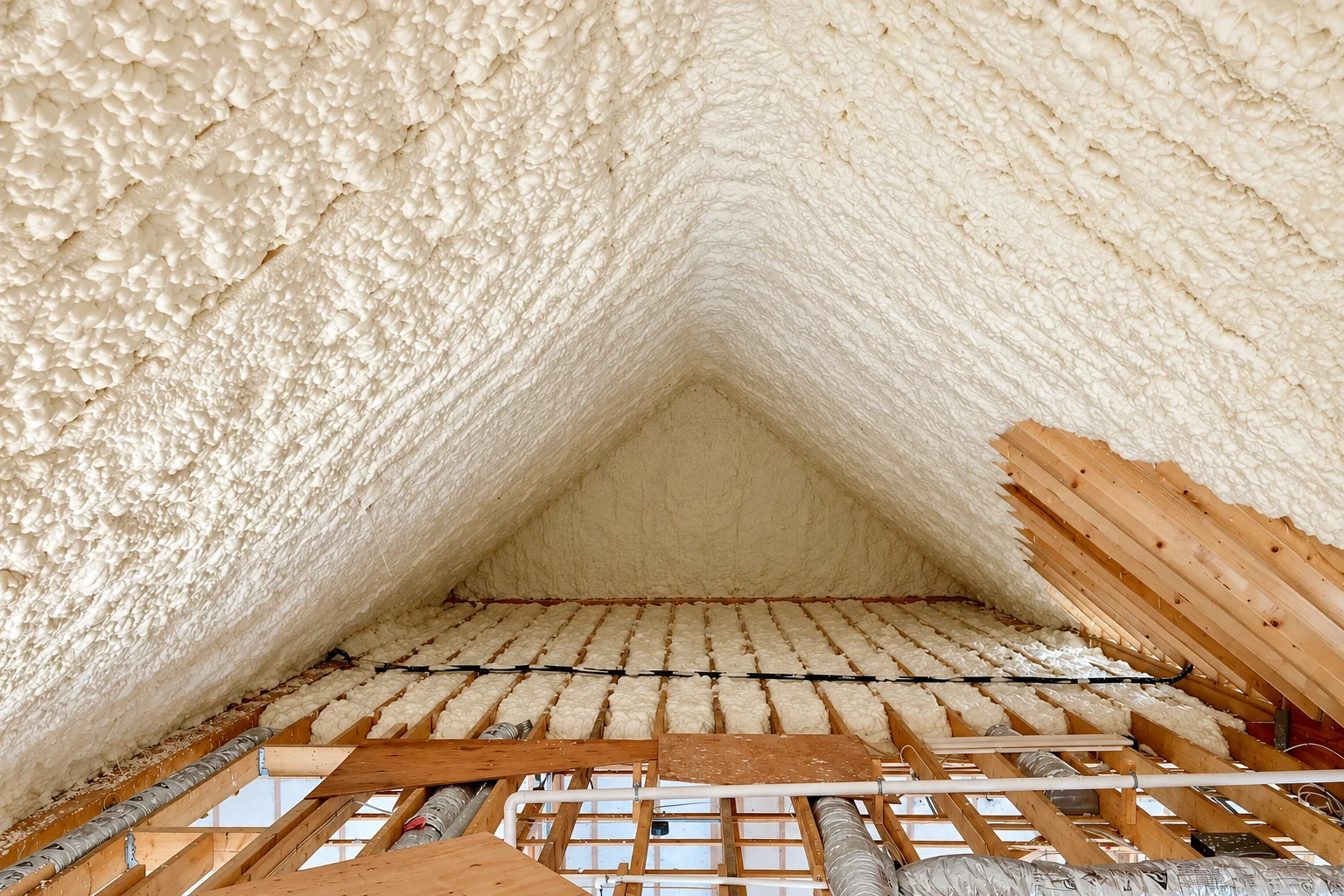
Spray foam fits rooflines and odd framing where batts won't sit right, and it seals air as it insulates, which matters most when your ducts run through the attic.
T&S Rohnert Park Spray Foam Insulation is an insulation contractor based in Rohnert Park, CA. We insulate attics, crawl spaces and walls here, and we seal the drafty gaps first so the new insulation can do its job.
T&S Rohnert Park Spray Foam Insulation handles attic, crawl space and wall insulation for homes all over Rohnert Park, along with air sealing, old insulation removal and spray foam. Most calls start with a drafty room, one end of the house running warmer than the other, or an old attic someone's been meaning to deal with for years.
On a first visit, I go up through the hatch and measure how many inches are already there. Then I check whether it's dry and clean or matted, stained and full of droppings. If the house sits over a crawl space, I go under it too. The lead I first worked under taught me to look at the whole house before selling anybody anything, and that habit still saves people money.
The houses here run from older homes still carrying whatever went in when they were built to newer ones where the insulation is fine and the drafts come from unsealed gaps. Either way, the work goes in the same order, sealing first and insulating second. We do the same jobs up the road in Santa Rosa and in plenty of other cities around Rohnert Park.
Spray foam fits rooflines and odd framing where batts won't sit right, and it seals air as it insulates, which matters most when your ducts run through the attic.
For a hot upstairs or an attic with only a few inches left, we seal the gaps first, then bring the coverage up evenly, edges included.
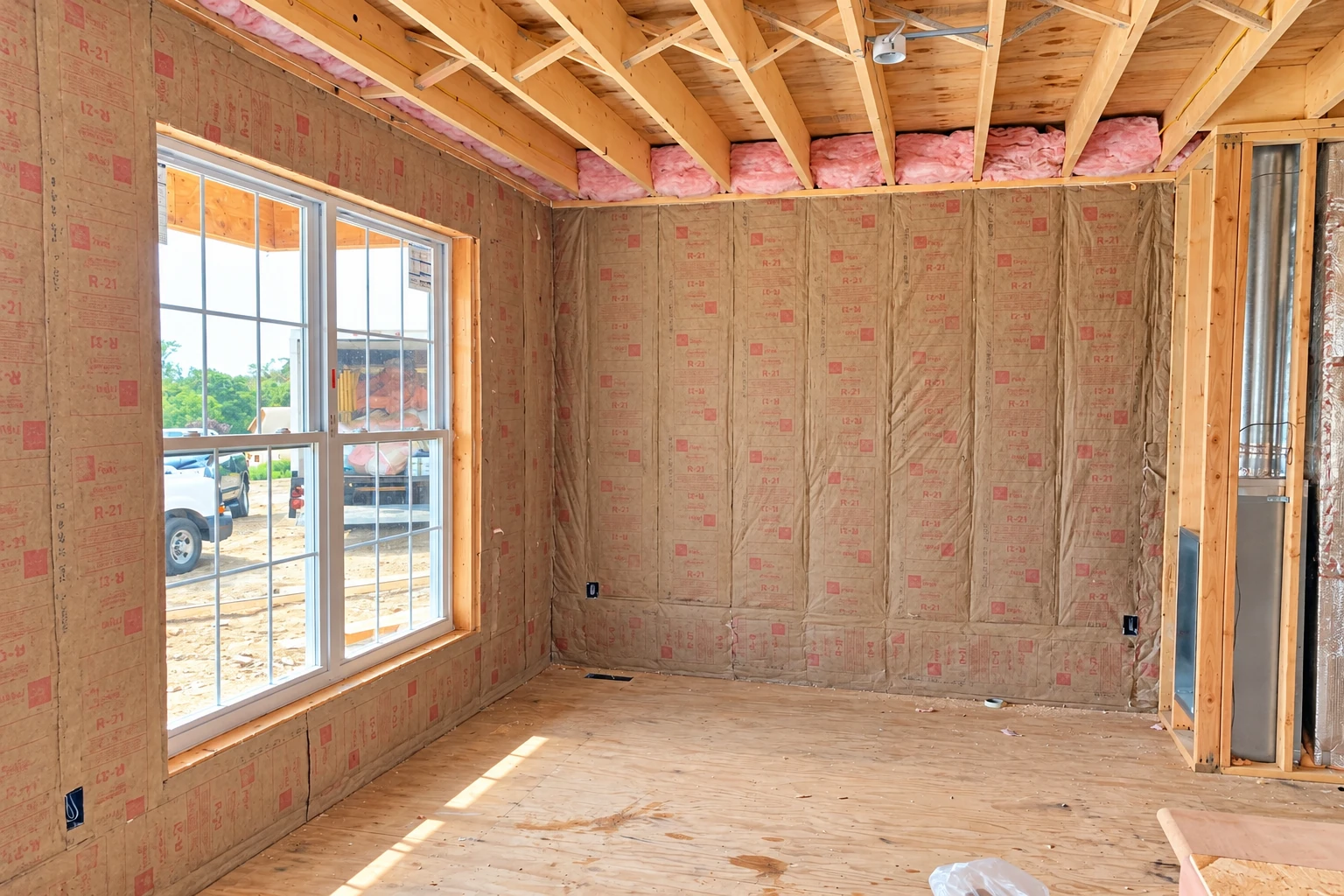
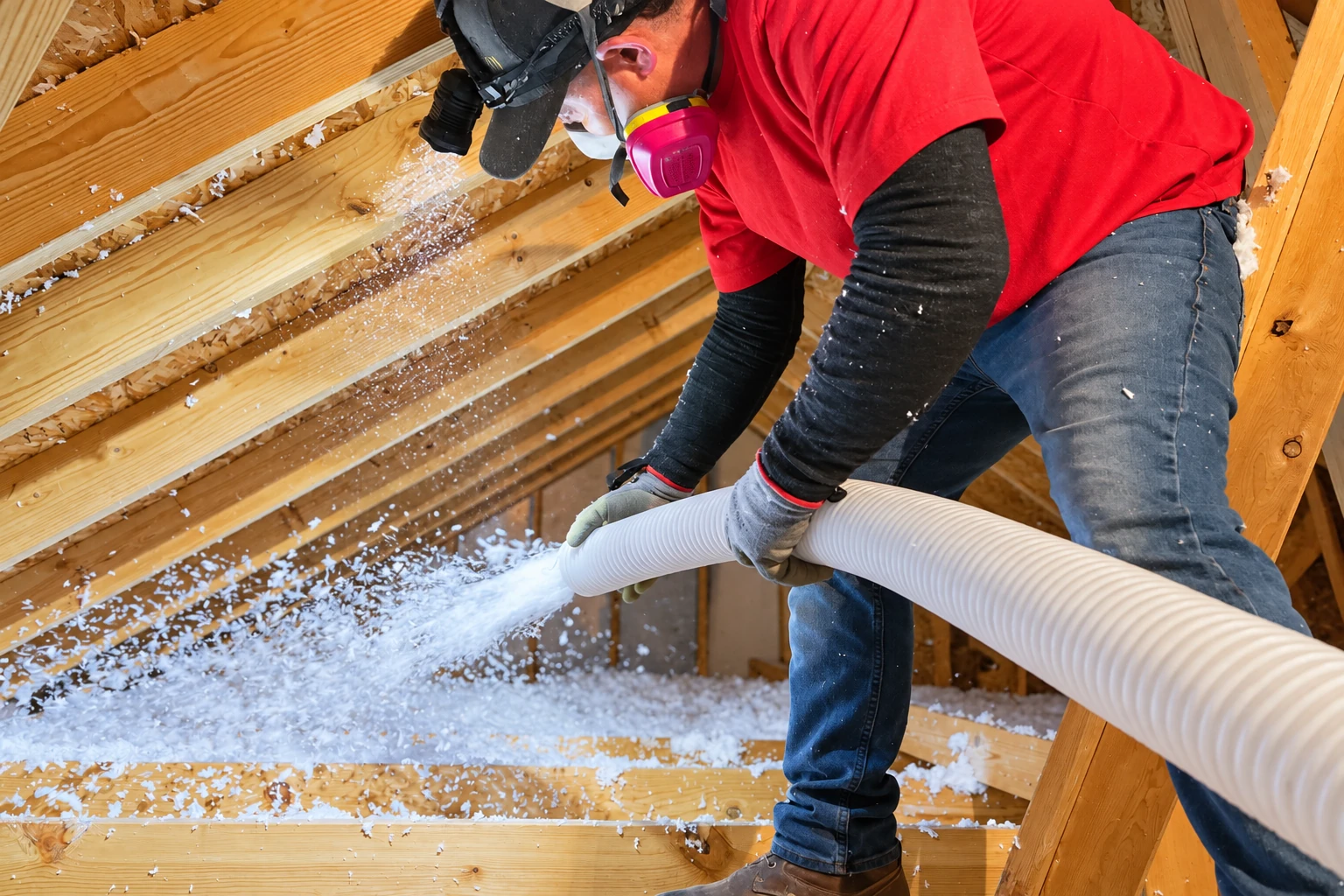
Blown-in insulation, loose fill blown through a hose, is how we usually top up an older attic, filling around joists and wires without tearing anything out.
When several rooms feel off, I look at the attic, walls and crawl space together so we fix what's actually causing it instead of insulating one spot.
If the old insulation got soaked or is full of droppings, it comes out first, because new material laid over it keeps the problem in your attic.
Cold floors usually trace back to the crawl space, where we insulate under the floor and make sure it stays dry enough for the insulation to hold up.
Exterior walls with little or nothing inside can be filled through small openings, which helps rooms that stay chilly even after the attic's been done.
Air sealing, closing the gaps where air leaks through before insulating, cuts the drafts around outlets, pipes and doors that more insulation alone won't stop.
If your house has a basement or a below-grade room, we insulate its walls so the space and the floor above stop pulling heat out of the house.
Closed-cell foam, a dense foam that also blocks moisture, suits crawl spaces and spots near damp ground where you want insulation and a moisture barrier in one layer.
Open-cell foam is softer and lighter, a good fit for rooflines and interior walls when you want air sealing and some sound control without paying for closed-cell.
For offices, shops and other commercial buildings around Rohnert Park, we insulate and seal ceilings and walls, and we talk through scheduling so the work fits your hours.
A crawl space vapor barrier, plastic sheeting laid over the dirt, keeps ground moisture from rising into the crawl space and the insulation under your floors.
We add vapor barriers in walls and floors where moisture moving through would soak the insulation or show up later as damp framing.
Before anything gets blown in, we seal around can lights, pipes, wiring holes and the hatch, so the new insulation isn't fighting a draft from below.
Older homes that never got much insulation can be brought up without gutting rooms, working through the attic, the crawl space and small wall openings.
Send the form and we'll reply within one business day to find a time that works for you. I'll come out to your Rohnert Park home myself, look at the attic and any crawl space, and walk you through what I see. The estimate is free and there's no obligation.
(707) 576-6028If your insulation job needs a building permit, it comes from the city's Building Division, which reviews applications in the order they arrive, so a permit can add a wait before we start. Whoever you hire should hold a current California contractor license and the city's business tax certificate, which anyone doing business inside city limits needs, including crews coming in from out of town.
When a job needs a permit, we apply for it, keep you posted and book the inspections with the city, so you aren't the one chasing paperwork. We work the same way in Cotati, Petaluma and across Sonoma and Marin counties, where the permit comes from that city or the county building office instead.
What moves the price here is mostly what I find up top and underneath: how many inches are already there, whether old material has to come out first, how many gaps need sealing, and whether foam makes sense or loose fill will do. The schedule turns on any permit wait, any removal and, with foam, the hours before you can go back inside. You'll get the figure for your own house at the estimate.
I come out for every estimate myself and explain what's going on up there in plain words, so you understand your own house before you decide anything. If your attic only needs the hatch sealed and a few inches added, that's what I'll tell you, and if something isn't worth the money, I'll say that too.
I started out as a helper on an insulation crew and opened this business here in 2021. We're licensed and insured, and our crew does the work with me on site or one of our lead installers running the day, sealing the gaps before any insulation covers them. Satisfaction guaranteed. Call (707) 576-6028 or send the contact form to set up a visit.
A few things come up again and again when we're in attics and crawl spaces around Rohnert Park. Here's what they are and how each one changes the way we do the work.
The soil under Rohnert Park is highly expansive, the kind that swells when it gets wet and can damage foundations and slabs, and gutters and downspouts help keep that rainwater away. So when I'm in your crawl space, I look for water where it shouldn't be. If a downspout is dumping right next to the foundation, I'll point it out before we lay a vapor barrier or insulate under the floor.
A lot of the older attics we open here have blown-in that's settled over the years, deep in the middle and thin along the eaves, which is backward. When we top it up, we bring the edges up first and keep the eave vents clear, because buried vents stop the attic from breathing and the moisture ends up in the framing.
If one bedroom is always the hot one or the cold one, it's often the room over the garage. Those rooms usually have a floor that's open to the garage below and short walls backing onto unheated attic space. We check the floor, those walls and the ceiling, because insulating only the attic above rarely fixes that room.
Can lights, plumbing pipes, wiring holes and the attic hatch all leave openings into the rooms below, and they're usually buried under whatever insulation is already up there. We pull it back, seal those spots, then insulate over them. Skip that step and warm or cool air keeps slipping right past the new insulation.
I give you a price for your house after I've been up in the attic, because the number rides on what's already there and what has to change. The biggest swing is foam versus loose fill. Foam costs more and seals air while it insulates, but sealing the gaps and topping up loose fill usually wins, unless your ductwork runs through the attic.
It might, so we find out before any work starts. The city requires a building permit when a building is altered, repaired or improved, though it lists some exceptions. When it isn't clear for your job, we ask the city first, and if one's needed, we take care of it as described above.
Yes, for any insulation job that needs a building permit, uses a crew, or comes to $1,000 or more in combined labor and materials. That's the rule from the Contractors State License Board, and the license has to be current and valid. Ask any contractor for theirs before you sign anything.
No more than $1,000 or 10 percent of the total contract price, whichever is less. The board's home improvement rules set that limit for all home improvement projects, so it covers insulation work too. If someone wants more than that up front, that's a good reason to slow down.
Only when it's soaked, moldy or full of droppings, because new material laid on top keeps that problem in your attic. If it's dry and clean, we usually leave it in place, seal the gaps it was hiding, and top it up, which keeps the job simpler.
For blown-in work you can usually stay home, but spray foam means everyone, kids and pets included, stays out until the re-entry time, the wait before it's safe to come back in. How long we're there depends on the attic's size, any removal and how much sealing it needs, and I'll lay that out at the estimate.
Clear a path to the attic hatch and move anything stored right under it or up in the attic, so the crew can get in without shifting your things around. If we're working in the crawl space, we'll need that access opening clear too, and pets should stay away from open hatches while we work.
We're reachable until 10 PM every day, from 6 AM on weekdays and 8 AM on weekends, so call (707) 576-6028 or send the contact form whenever that drafty room is on your mind.