
Spray foam insulation
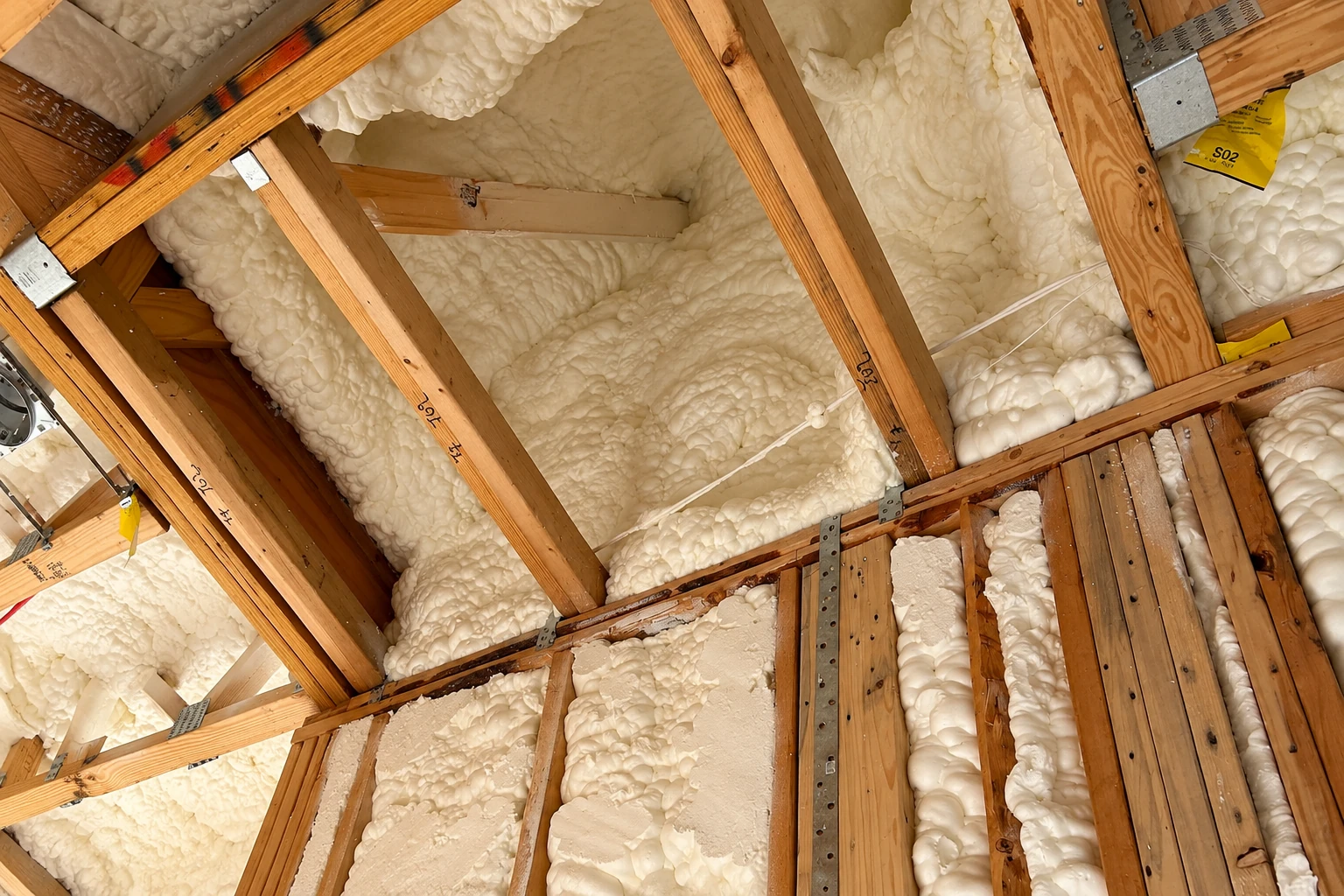
For a room over the garage that won't hold temperature, or an attic full of ductwork, spray foam seals air and insulates in one go, even around awkward framing.
T&S Rohnert Park Spray Foam Insulation insulates attics, crawl spaces and walls in Larkfield-Wikiup with spray foam, blown-in fill and air sealing, for homes where the upstairs runs hot and the floors run cold.
T&S Rohnert Park Spray Foam Insulation is an insulation contractor based in Rohnert Park, CA, and we do attic, crawl space and wall insulation across Larkfield-Wikiup. Most of our calls start with a hot upstairs, a drafty room or cold floors, so I look at the whole house before suggesting anything.
In the attics we open around Larkfield-Wikiup, we find everything from older houses with a few inches of settled, dusty fill to newer ones with decent coverage that was never air sealed underneath. The room over the garage is a common complaint. So is the crawl space, where torn or sagging batts leave the floors cold all winter.
The first thing I check is what's already up there and whether it's dry and clean, because the steps you can't see are where a job pays off. If the old insulation is sound, we usually seal and top it up. If it's soaked or full of droppings, it comes out first, since new material laid over it just buries the problem. We do the same work in Sebastopol and the cities around it.
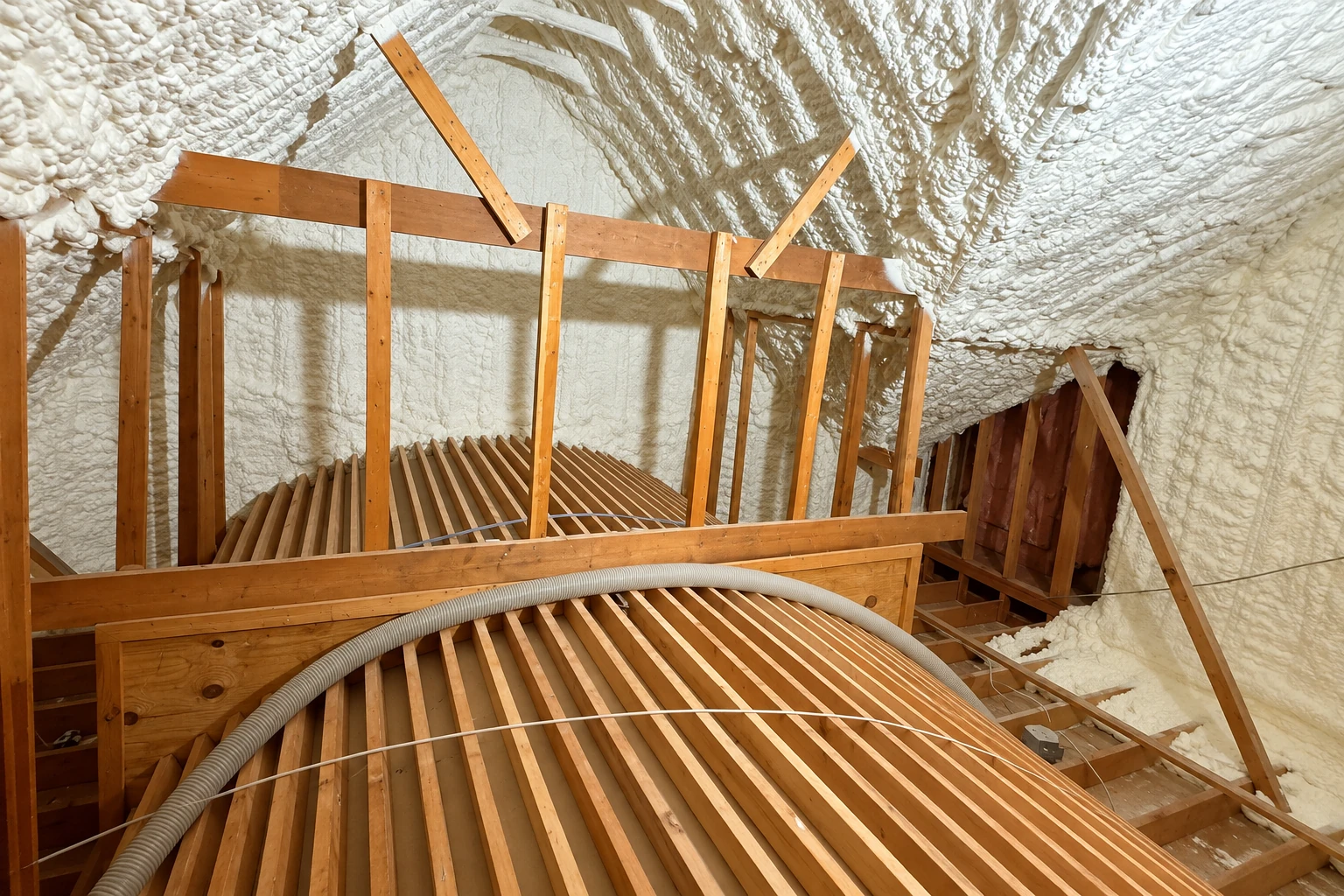
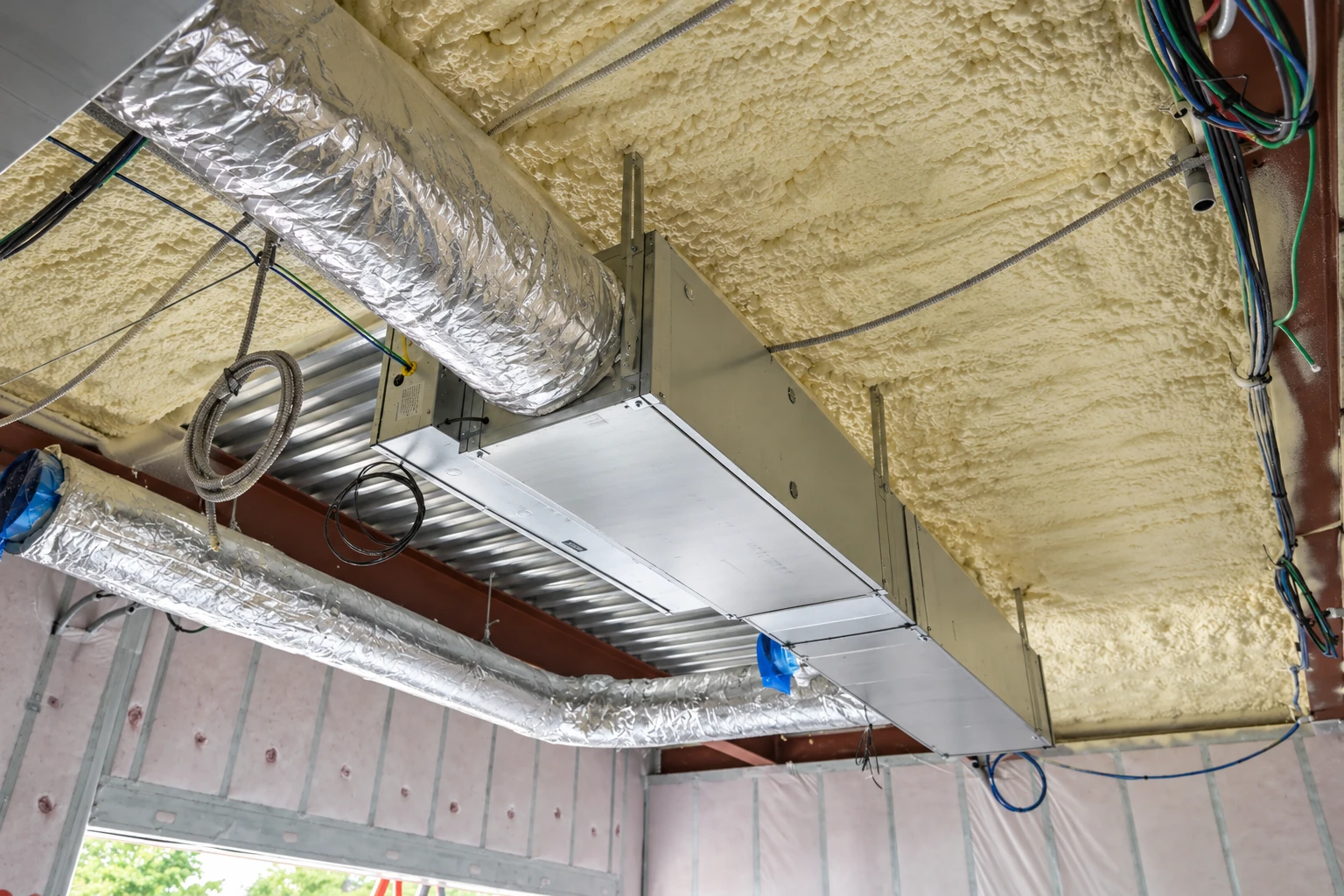
For a room over the garage that won't hold temperature, or an attic full of ductwork, spray foam seals air and insulates in one go, even around awkward framing.
If the upstairs bakes every summer and the attic has a few inches of old fill, we seal the gaps and bring it to an even depth, edges included.
Blown-in insulation, loose fill sent through a hose, is our usual way to top up an attic that's sound but thin, because it settles into corners and around wiring.
When several rooms feel off and you're not sure where to start, we look at the attic, walls and crawl space together and tell you which fix pays off first.
Old insulation that got soaked, crushed or full of droppings has to come out before anything new goes in, so we vacuum it out and clean up the attic.
Cold floors over a crawl space usually mean batts that sagged or fell, so we put insulation back up between the joists and hold it firmly in place.
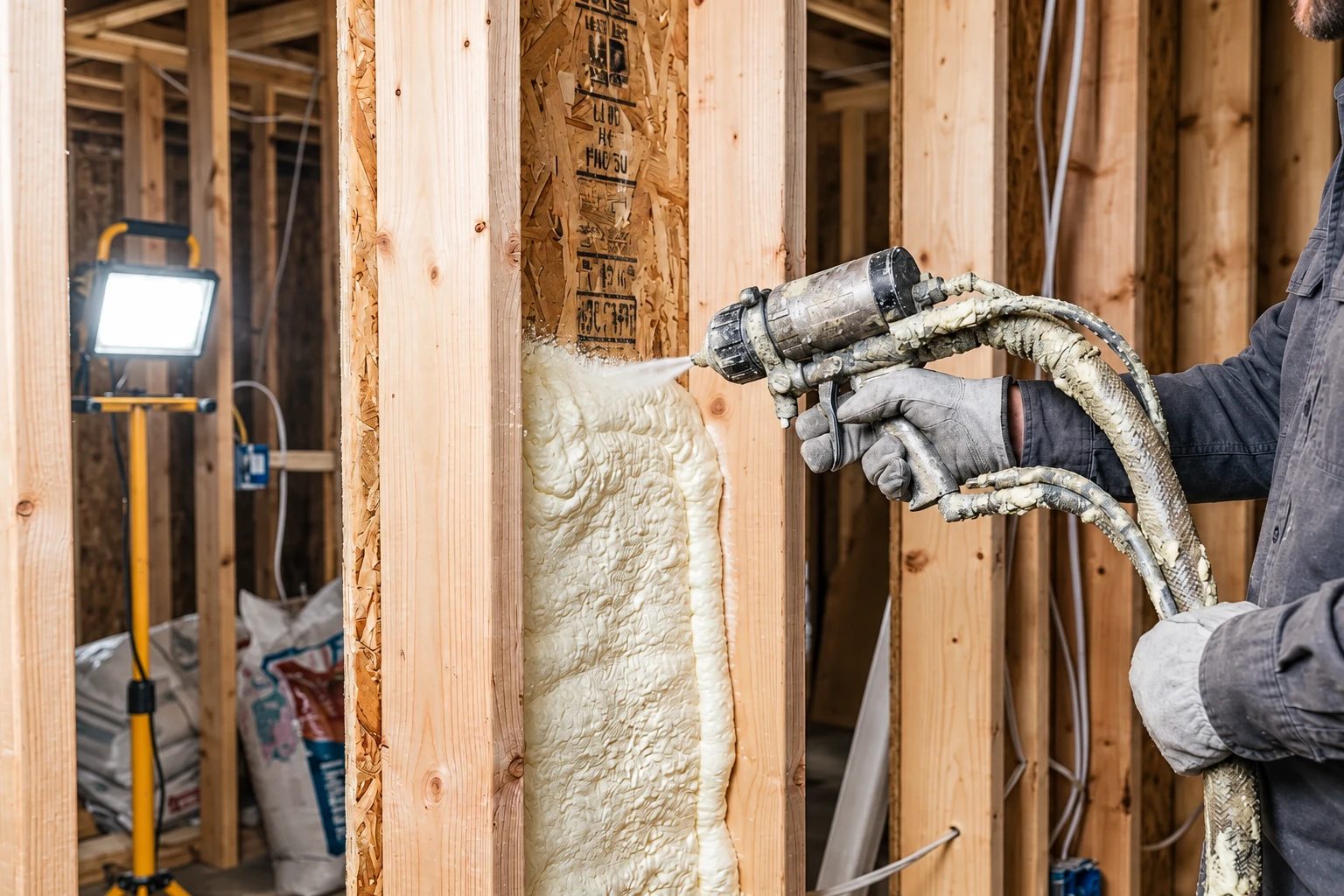
Exterior walls with little or nothing inside keep a room drafty no matter what's overhead, and we can fill them through small holes without tearing out drywall.
Air sealing, closing gaps before insulating, goes after drafts across the whole house, around outlets, plumbing runs, the garage wall and where the crawl space meets the floor.
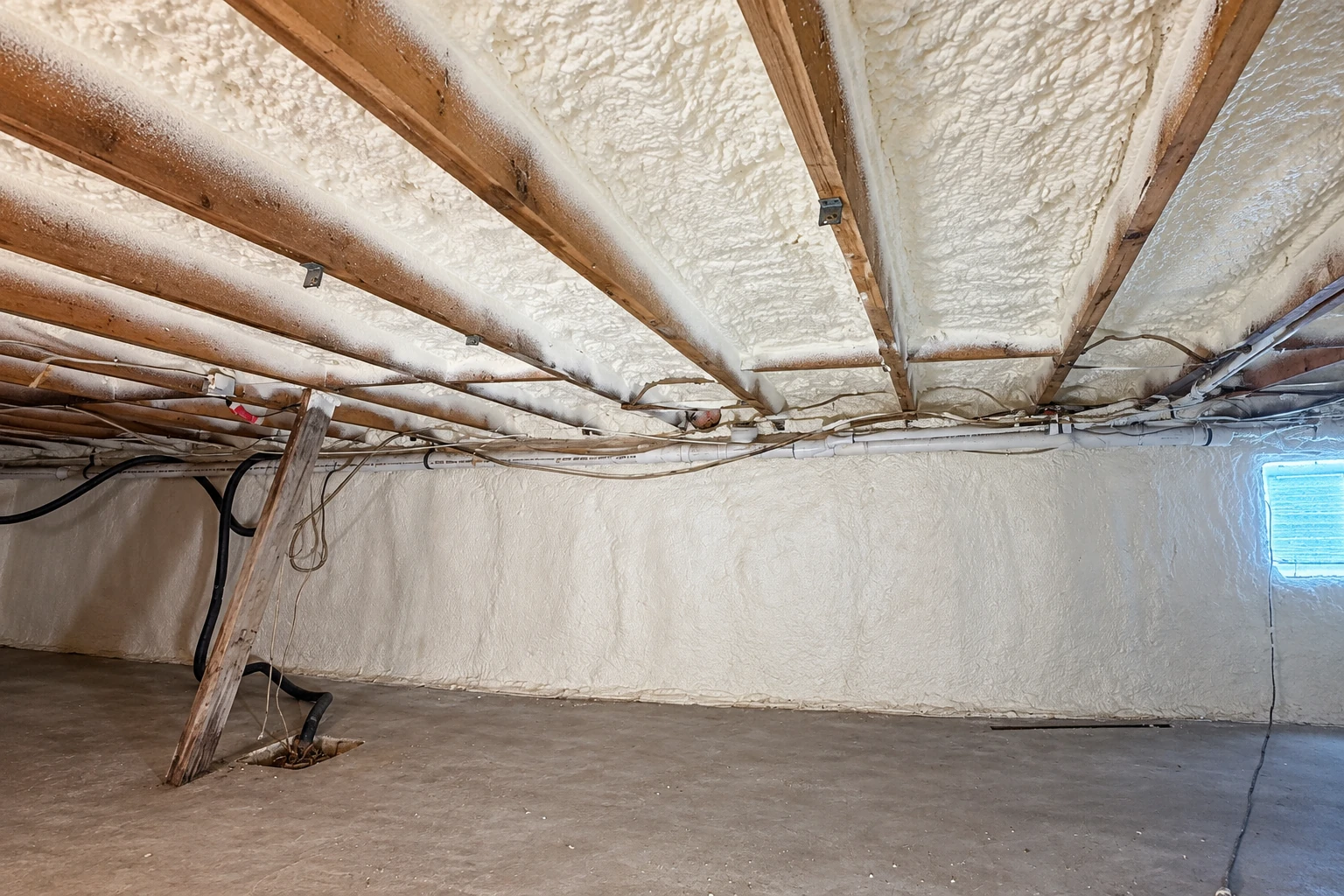
If your house has a basement or a below-grade room, we insulate the walls and rim joists, the wood band on top of the foundation, so it feels less chilly.
Closed-cell foam, dense foam that also blocks moisture, fits crawl spaces and spots near the ground where damp air is the problem, not just the cold.
Open-cell foam is softer and lighter, and it suits rooflines and interior walls where you want air sealing and some sound control without the cost of closed-cell.
Offices, shops and small commercial buildings get the same approach as a house, sealing first, then the right material for the roof deck, walls or ceiling.
A torn or missing plastic sheet over the crawl space dirt lets ground moisture rise into the floor framing, so we lay a new barrier and seal the seams.
Where warm, moist indoor air meets a cold surface in a wall or ceiling, a vapor barrier keeps that moisture out of the insulation so it stays dry.
Before we blow anything in, our crew seals the top plates, the hatch and the holes around lights and vent pipes, because loose fill doesn't stop moving air.
Older homes built with little or no insulation can be brought up without remodeling, by adding it to the attic, walls and floors from spaces you already have.
Send the form and we'll reply within one business day to set a time. I come out to your Larkfield-Wikiup house myself, look over the attic and crawl space, and walk you through what I'd do. The estimate is free, and there's no obligation.
(707) 576-6028Larkfield-Wikiup isn't its own city. It sits in unincorporated Sonoma County, so building permits here come from Permit Sonoma, the county's permit office, not a city hall. The county issues permits for everything from grading to interior improvements, alterations and most repairs, and only work it specifically lists is exempt. When your job needs one, the county's review and inspections set part of the calendar.
That's why we settle the permit question before we book your day. If a permit is needed, we apply for it, keep you posted and set up the inspections with the county. If it isn't clear, we check with that office before work starts. On the contractor side, the Contractors State License Board licenses contractors in California, so it's worth checking any contractor there before you hire, us included.
What moves the price is what's already up there and what has to happen first. That means how big the attic or crawl space is, whether old insulation comes out, how much sealing it needs, how easy it is to get in, and whether foam or blown-in fits. The estimate is where you get your own number. We work the same way in Windsor and Santa Rosa.
I started out hauling bags and crawling through attics as a helper, and the lead I worked under taught me to look at the whole house before selling anybody anything. I opened this business in Rohnert Park in 2021, and I still come out for every estimate myself, so the person who looks at your attic is the one who answers for the plan.
Our crew does the work, with me on site or one of our lead installers running the day. The part I watch closest is the part nobody sees, sealing around can lights, pipes and the hatch before anything covers them, and keeping the eave vents clear so the attic still breathes. Coverage goes full depth out to the edges, where old jobs are usually thinnest.
We're licensed and insured, and our work is satisfaction guaranteed. I'll also tell you when something isn't worth the money, even if that means a smaller job. If you've been meaning to deal with that attic for years, call (707) 576-6028 or use the form above and tell us what's bothering you.
A few things about this part of Sonoma County shape how we insulate a house here, from the summer heat in the attic to the winter rain under the floor.
In nearby Santa Rosa, August is the warmest month, with normal highs of 84°F, and an attic runs a lot hotter than that by late afternoon. That's why the upstairs bedrooms feel like an oven. We seal the gaps first so hot attic air stops leaking down into the rooms, then bring the insulation to an even depth so the heat has to work through all of it.
December is the coldest month, with normal lows of 37°F, and that's when cold floors over a crawl space show up. If the batts down there sagged or fell, your floor sits right over cold, moving air. We put the insulation back between the joists, hold it in place and seal the gaps where pipes and wires come up through the floor.
Nearly all the rain comes in winter, with 6.76 inches in December and almost none in July. That wet stretch is when a missing crawl space vapor barrier lets ground moisture rise into the framing. Up top, it's also why we keep the eave vents clear, because a buried vent traps damp air in the attic and it ends up in the wood.
Larkfield Estates was hit hard by the October 2017 fires, so newer rebuilt homes sit not far from houses that have stood for decades. They need different things. A newer house may only need gaps sealed around the hatch and fixtures, while an older one usually needs the old fill checked, pulled out if it's ruined, and topped up to an even depth.
Your price gets set at the estimate, once I've seen the attic, because two houses the same size can need very different work. The biggest swings are whether old insulation has to come out first and whether you go with spray foam, which costs more, or air sealing plus blown-in fill.
Usually not in an ordinary attic. Foam costs more and seals air while it insulates, but sealing the gaps and topping up with blown-in usually gets you most of the way for less. The exception is when your ductwork runs through the attic, because foaming the roofline brings those ducts inside the insulated space.
That turns mostly on what has to happen before the new insulation goes in. A clean attic that only needs sealing and a top-up is the quicker kind of job, while removing old material, heavy sealing or foam adds time. I'll tell you how many days to plan for when I come out.
For spray foam, yes, everyone including kids and pets stays out until the foam maker's re-entry time, how long before you can come back inside, has passed. We follow that instruction and tell you the time before the day. For blown-in work you can usually stay home, though you'll want pets kept away from the hatch.
Clear a path to the attic hatch or crawl space door and move anything stored right under it, since we'll be going in and out all day. If you keep boxes up in the attic, bring them down if you can. Tell us about pets and any spots that leak or smell, so we look at those first.
Permit applications filed with the county now have to fully meet the 2025 California Building Standards Code, with no exceptions. Whatever code is in effect when the application goes in covers the whole project, even if the work runs on. If your job needs a permit, the county's building division explains what it reviews.
We pick up until 10 PM every day, weekends included, so call (707) 576-6028 or send the form whenever the attic finally makes it onto your list.