
Spray foam insulation
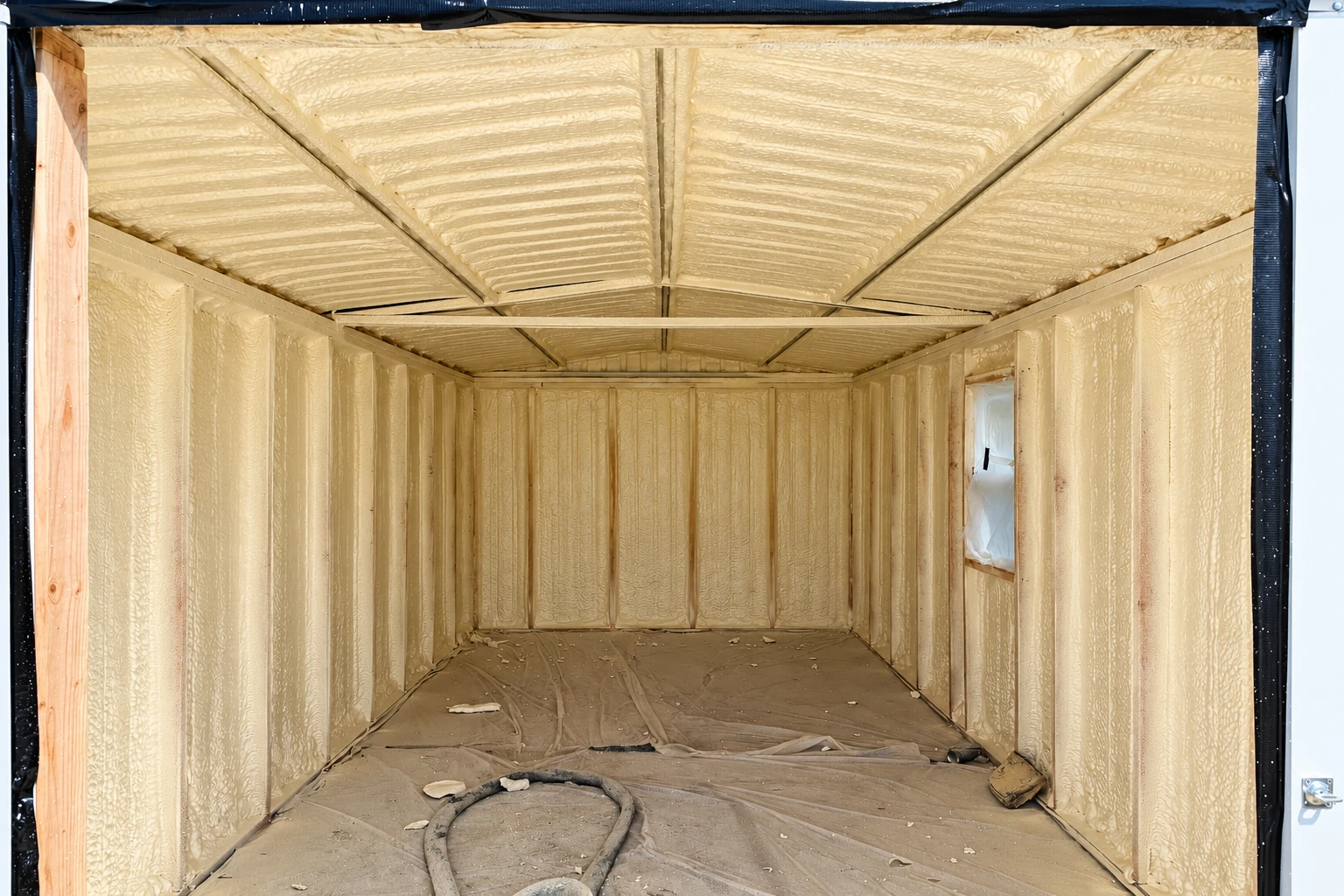
Spray foam seals air as it insulates, which pays off when your ducts run through the attic or the roofline is too tight for loose fill.
T&S Rohnert Park Spray Foam Insulation is an insulation contractor working in Corte Madera, CA. We seal the gaps in your attic, crawl space and walls, then insulate them with blown-in fill or spray foam, whichever fits your house.
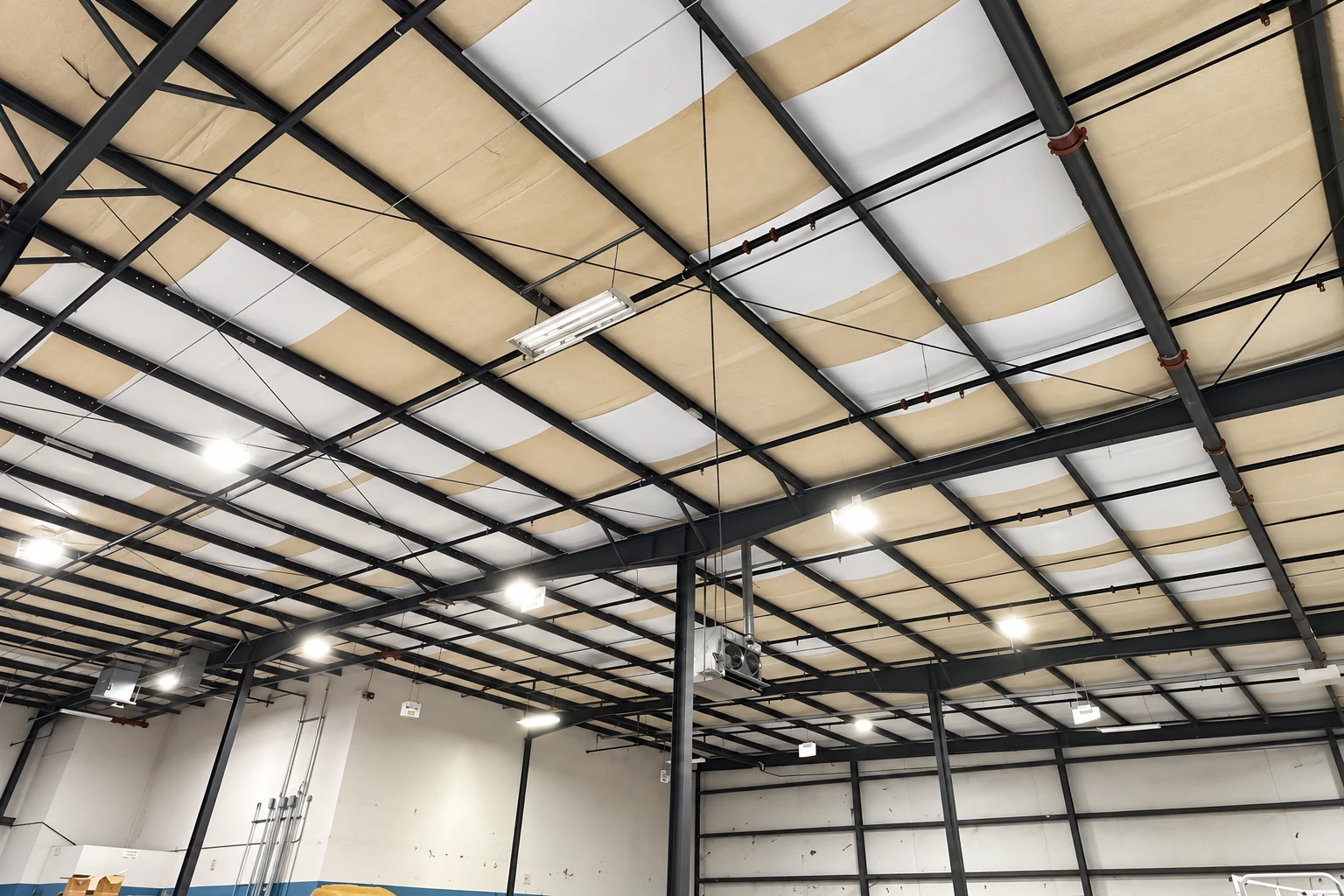
T&S Rohnert Park Spray Foam Insulation handles attic, crawl space and wall insulation for homes in Corte Madera, plus the air sealing that closes the gaps first. I come out to look at your house myself, find where the heat is getting in or out, and tell you plainly what's worth fixing.
Most calls I get from Corte Madera start the same way. It's an upstairs bedroom that gets hot every afternoon, a room over the garage that never warms up, cold floors over the crawl space, or a power bill that keeps climbing. In older houses, the attic usually still has whatever went in when the place was built, packed down over the years and missing in spots.
We're based up in Rohnert Park and work across Sonoma and Marin counties, so Corte Madera is a regular drive for us. When I come out, I check how old the house is, how many inches are already up there and whether that material is still clean, then I look underneath at the crawl space, because trouble upstairs and down often shares a cause.
Spray foam seals air as it insulates, which pays off when your ducts run through the attic or the roofline is too tight for loose fill.
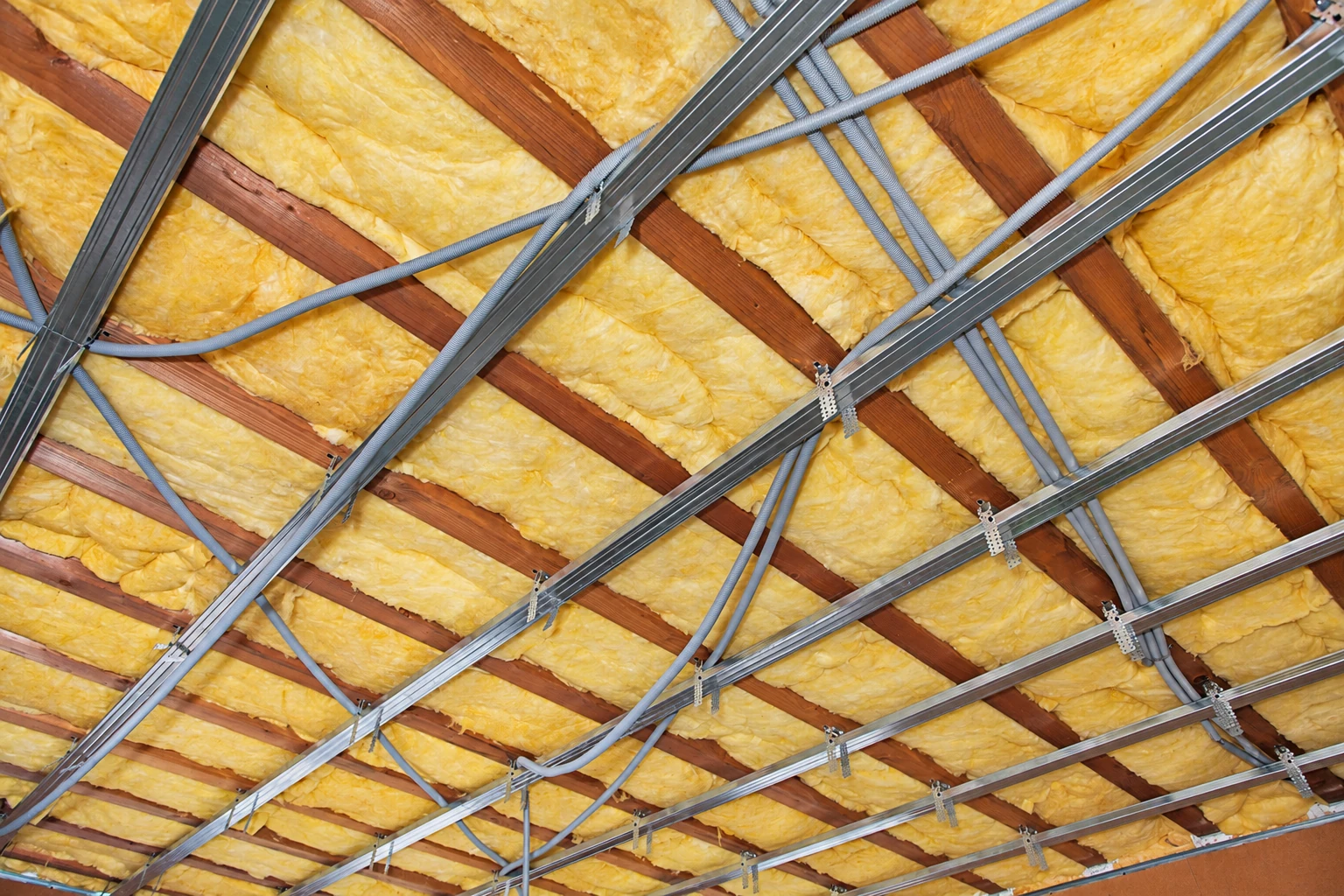
When upstairs bakes in the afternoon, the attic is usually why. We check the inches up there, seal the gaps and bring coverage up evenly to the eaves.
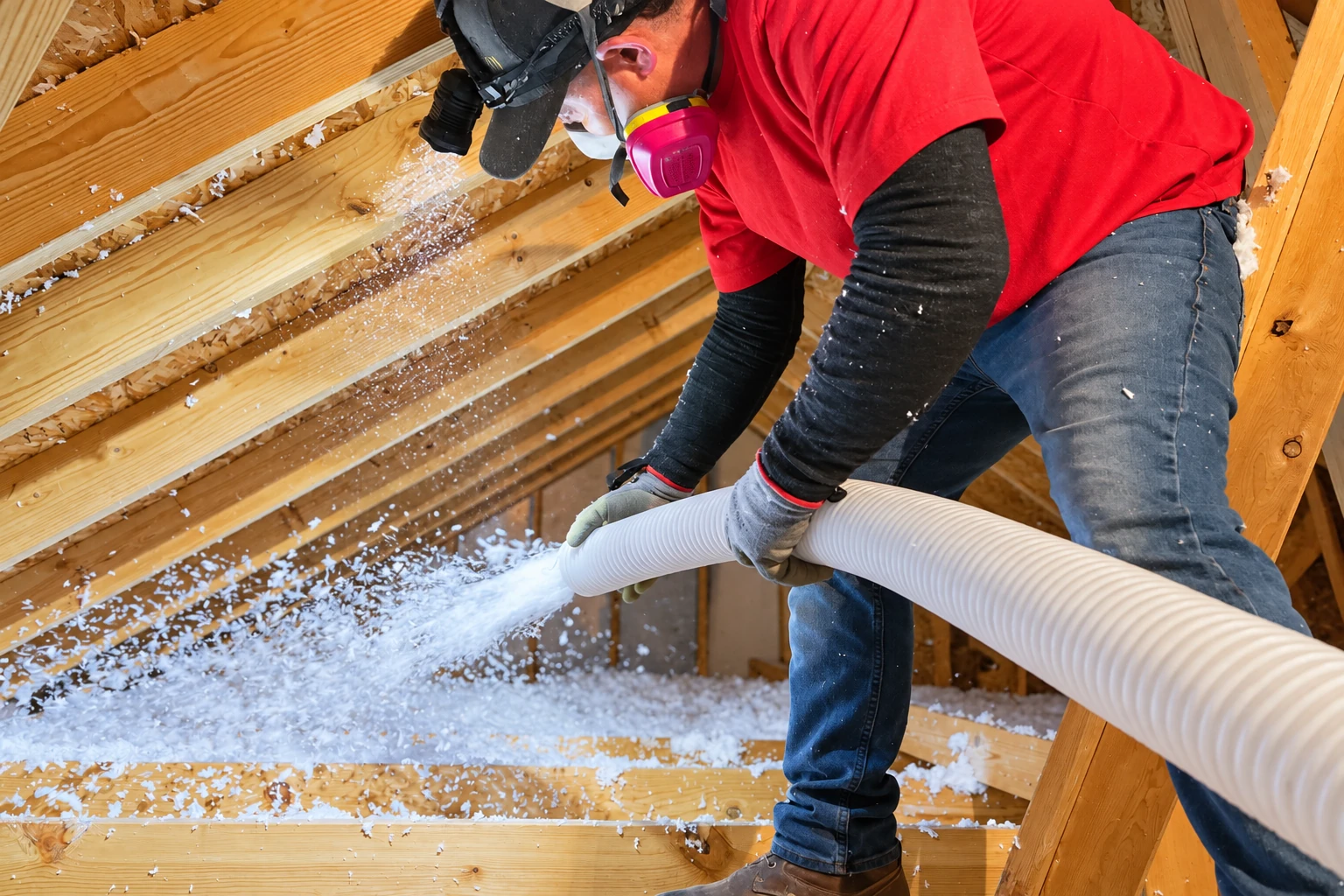
Blown-in insulation, loose fill blown through a hose, is the usual fix for a thin attic floor because it settles into corners and around framing without tearing anything out.
If the whole house feels drafty and you're not sure where to start, I walk every level, attic to crawl space, and tell you which fix gives the most back.
Old insulation that got wet, matted down or full of droppings comes out first, because laying new material over it just buries the problem under a fresh layer.
Cold floors in winter usually mean an open crawl space underneath. We insulate between the floor joists so the rooms above stop pulling chill up from the ground.
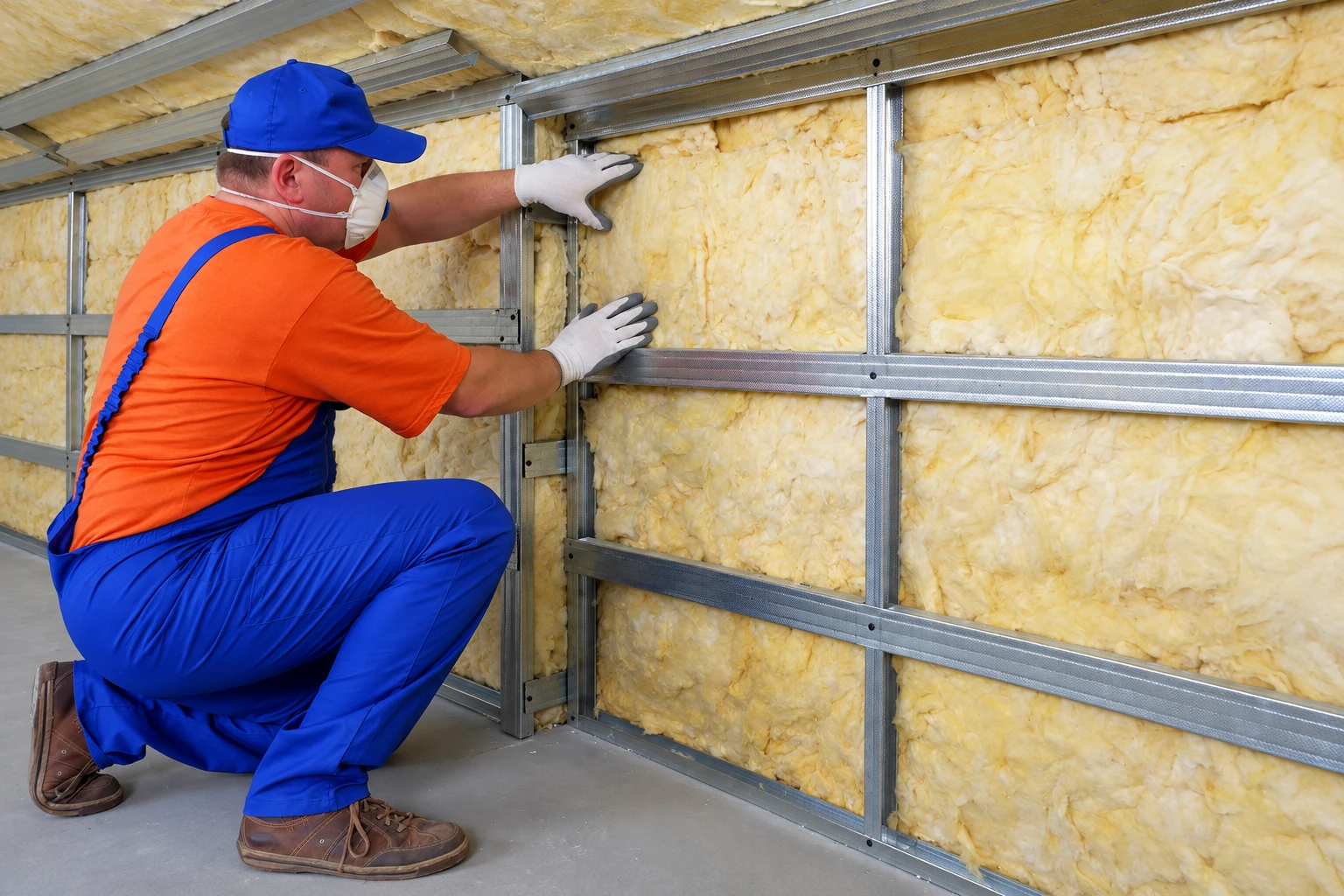
Older walls with little or nothing inside can be filled through small openings, which helps rooms that stay cold even after the attic is done.
Gaps around pipes, wires and the attic hatch let air leak straight past any insulation, so we close them first and the rest of the job actually works.
Where a house has a basement, insulating its walls and the framing along the top keeps the floor above warmer and makes the room more usable.
Closed-cell foam, a dense foam that blocks moisture, suits damp spots like crawl spaces near the bay where you want insulation and a moisture barrier in one layer.
Open-cell foam is softer and lighter, a good fit for rooflines and interior walls where you want air sealing and some quiet without the cost of closed-cell.
Shops, offices and small commercial buildings get the same order of work, sealing first and insulating second, scheduled around your hours so the business keeps running.
A vapor barrier, heavy plastic laid over the crawl space dirt, keeps ground moisture from rising into the framing, which matters most on low, damp lots.
Where moisture moves through walls or floors, a vapor barrier in the right spot keeps it out of the insulation so the insulation keeps doing its job.
Can lights, plumbing stacks and the tops of interior walls leak warm air into the attic, and sealing them before new insulation goes in stops the draft at its source.
Retrofit work adds insulation to a finished house without tearing it apart, which is how most older homes get brought up to a comfortable level.
We reply within one business day to set a time, and then I come out to your Corte Madera home myself to look at the attic and crawl space. The estimate is free and there's no obligation, so you can take what I tell you and decide from there.
(707) 576-6028In Corte Madera, building permits go through the Town of Corte Madera's Building Division, which reviews plans against state and local codes, energy rules included, and inspects the work. If your insulation job needs a permit, that review and the inspections set the pace, so the schedule follows the city's calendar as much as ours. Before you hire anyone, ask to see their California contractor license and their Corte Madera business license.
We're licensed and insured. When a job needs a permit, we apply for it, keep you posted and set up the inspections with the Building Division. If it isn't clear whether your job needs one, we ask that office before work starts, so nobody finds out halfway through.
The price moves with how much old insulation has to come out, how many gaps need sealing, how easy the attic or crawl space is to get into, and whether foam or loose fill suits the house. The schedule turns on permits and removal, and the estimate is where you get the figure for your own house. It's the same work we do in San Rafael and Novato.
I started out hauling bags and crawling through attics on a small crew, and the lead I worked under taught me to look at the whole house before selling anybody anything. I opened T&S as an insulation contractor in Rohnert Park, CA, in 2021, and I still come out for every estimate myself, so the person looking at your attic is the one who answers for the job.
Our crew does the work, with me on site or one of our lead installers running the day. We seal around can lights, pipes and the hatch before any insulation covers them, keep the vents along the roof edge clear so the attic can still breathe, and bring coverage full out to the edges instead of piling it in the middle.
If your attic only needs a top-up, I'll tell you so, and if foam isn't worth the money for your house, I'll say that too. Our promise is satisfaction guaranteed. When you're ready, call (707) 576-6028 or send our estimate form to set up a visit.
A few things about Corte Madera change how an insulation job goes, from settled ground and flood maps to the wildfire boundary and the energy rules on bigger remodels.
Mariner Cove and Marina Village sit on filled baylands, and parts have settled as much as four feet since they were built, depending on how thick the bay mud is. In some spots that's left tilted floors. Under houses like these, I look closely at the crawl space for moisture, a vapor barrier that's torn or shifted, and insulation that's sagged off the floor joists, since settling tends to pull things out of place.
Part of Corte Madera lies in the flood zone on FEMA's flood map, and the city's Public Works Department can help you check whether your property is in it. Under a floor that could see water, we usually steer away from material that soaks it up and toward closed-cell foam, which sheds moisture. The permit side of flood zone work is covered in the questions below.
Corte Madera has drawn a wildfire boundary, treated the same as a Very High Fire Hazard Severity Zone under state law, and wildfire-related codes apply inside it. For insulation, that usually comes up when a job touches attic vents or anything on the outside of the house. If your home is inside the line, we confirm what applies with the Building Division before we order materials.
Corte Madera's local building amendments raise energy efficiency requirements on certain renovation projects, and a presentation from the city has listed an energy reach code that adds energy rules for single-family renovations of 750 square feet or more. If insulation is part of a bigger remodel, it's worth planning it alongside that work, because the energy side gets reviewed with the rest of the plans.
There's no flat price, because two attics the same size can be very different jobs, so I give you a figure after I've seen yours. Hauling out soaked or dirty old insulation and sealing lots of gaps add to it, and foam costs more than loose fill. For most attics, sealing and topping up with blown-in fill is the better buy, unless your ductwork runs up there.
Yes, in most cases. The Contractors State License Board requires a license when a project needs a building permit, uses any additional workers, or totals $1,000 or more in labor and materials, and contractors need it before they bid. An insulation job of any real size usually passes that mark, so ask for the license before you take a bid seriously.
Additions and renovations to an existing house in Corte Madera's flood zone need a Floodplain Development Permit, on top of any building permit. Whether an insulation job counts as a renovation isn't something I'd guess at, so if your house is in the zone, we check with the city before any work starts.
Plans submitted in Corte Madera now have to follow the 2025 California codes, including the Building, Residential, Energy and Wildland-Urban Interface codes. For insulation, the Energy code is usually the one that matters most, and when your job goes through permit review, that's the standard the work gets checked against.
With blown-in insulation you can usually stay home, while spray foam means clearing out for a while. Re-entry time, the wait before people and pets can come back in, follows the foam maker's instructions, and I'll tell you that wait before we schedule. How long the crew is up there depends on the attic's size, what has to come out first and how much sealing it needs.
Clear a path to the attic hatch and move anything stored up there or right under the opening, since the crew needs room to work and run hoses. If the access is in a closet or the garage, empty that spot too, and keep pets in a closed room on work day. I go over the details for your house when I come out.
Our phone hours run Monday through Friday from 6 AM to 10 PM and weekends from 8 AM to 10 PM, so you can call after work, or send the estimate form anytime.