
Spray foam insulation
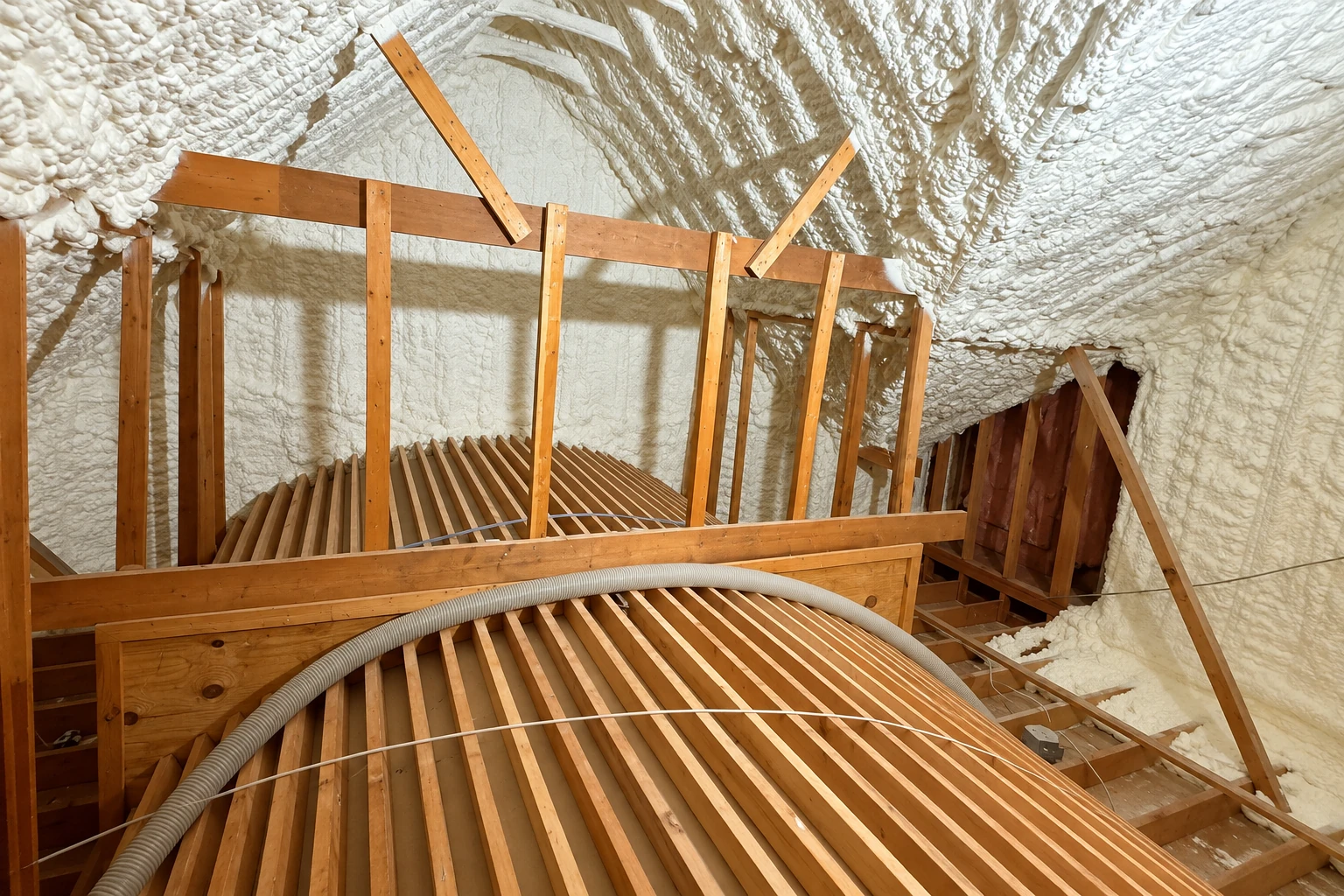
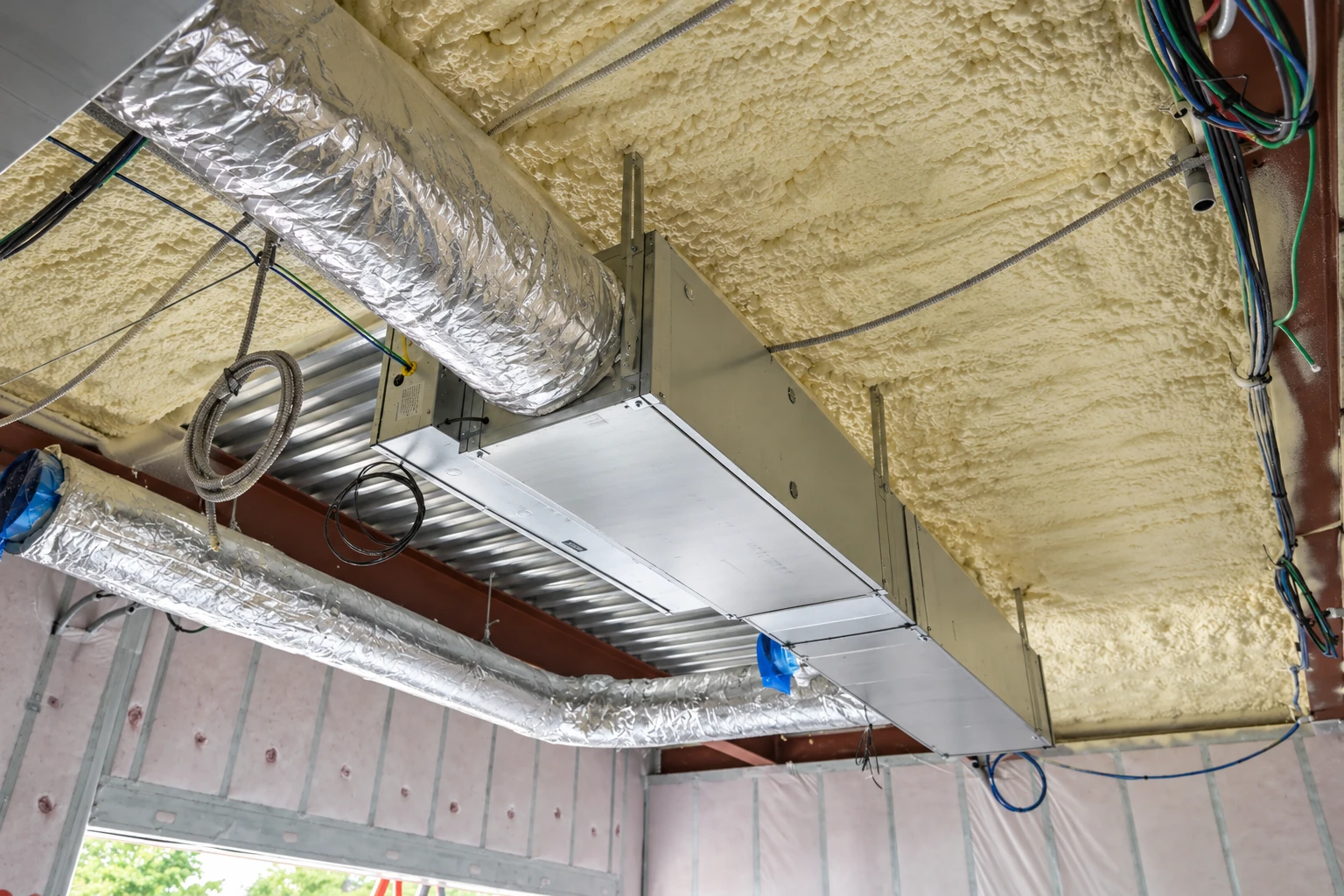
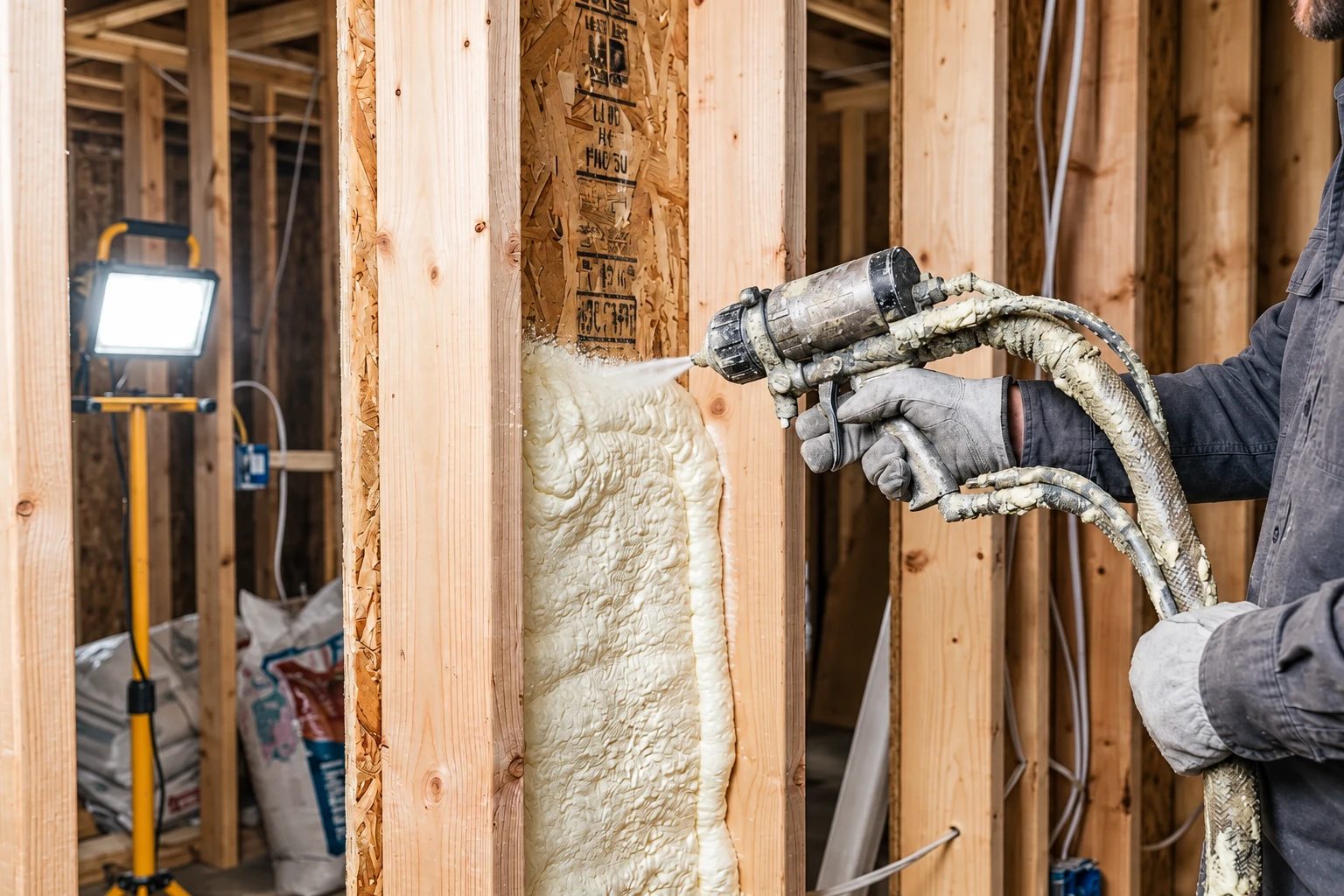
Spray foam insulates and seals in one pass, so it's worth the extra cost when ducts run through your attic or a wall cavity is too tight for anything else.
T&S Rohnert Park Spray Foam Insulation insulates attics, crawl spaces and walls in Cotati, CA, and we close the gaps that let drafts in before any new insulation goes down over them.
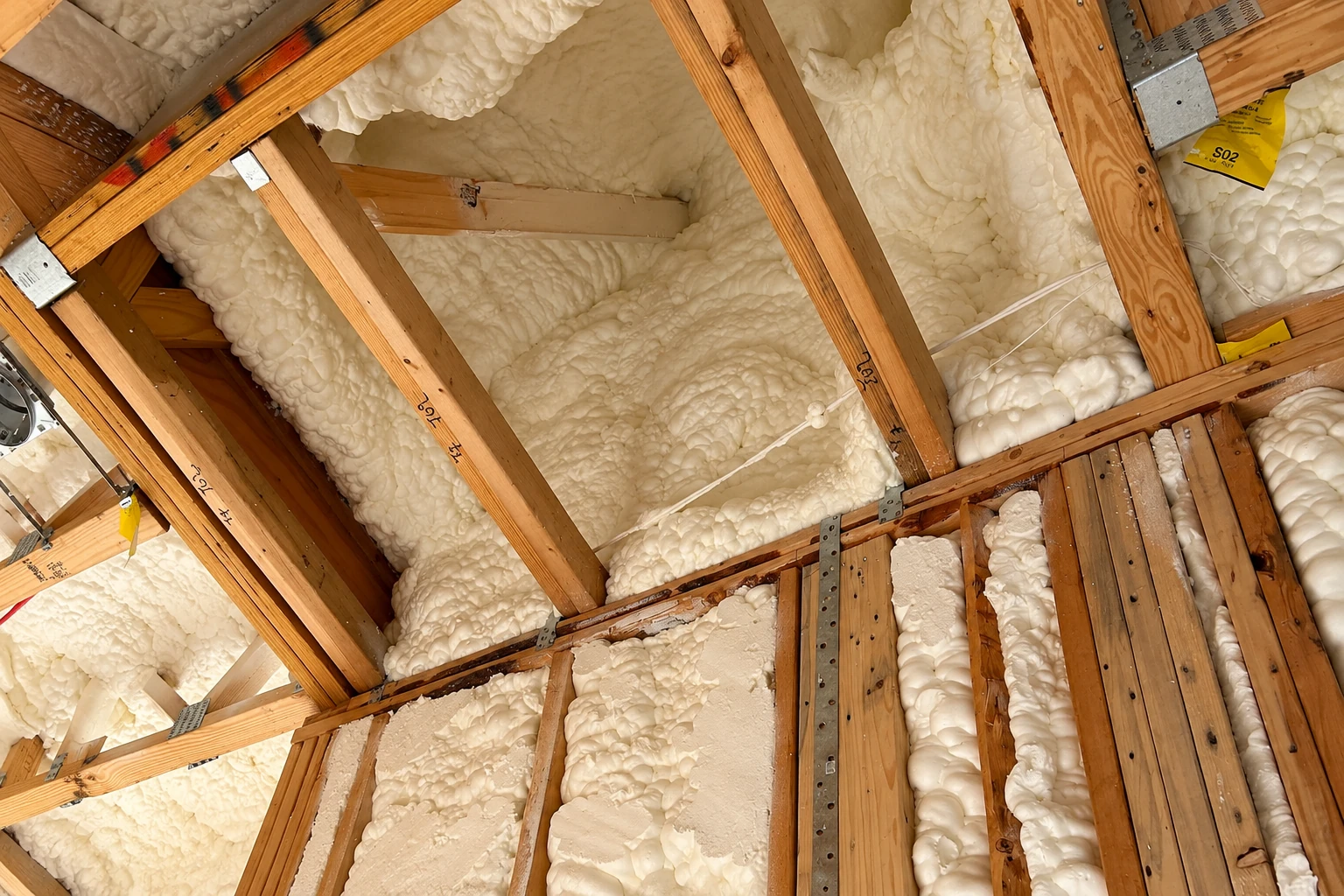
T&S Rohnert Park Spray Foam Insulation does attic, crawl space and wall insulation in Cotati, plus air sealing, which is closing the gaps around pipes, lights and the attic hatch before anything covers them. We also pull out old insulation, lay vapor barriers and spray foam where it's worth the extra cost.
Cotati sits right next door to Rohnert Park, where we're based, so the calls from here sound familiar. The usual ones are a bedroom that's hot upstairs in a heat wave and chilly the rest of the year, cold floors over a crawl space, or the room over the garage that never feels like the rest of the house.
When I come out, I start in the attic with a flashlight and a tape measure, because how many inches are already up there and what shape they're in tell me most of what I need to know. Older houses often have a thin layer that's packed down over the years. Newer ones usually have more, but the gaps around can lights and the hatch often weren't sealed when the house went up.
Spray foam insulates and seals in one pass, so it's worth the extra cost when ducts run through your attic or a wall cavity is too tight for anything else.
If the upstairs bakes in summer and won't hold heat in winter, we seal the attic floor first, then bring the insulation up evenly, edges included, not just the middle.
Blown-in insulation, loose fill sent up through a hose, is our usual way to top up a thin attic, because it settles into corners that batts leave open.
When several rooms feel off at once, I look at the attic, walls and crawl space together so you're not paying to fix one spot while another keeps leaking heat.
Old insulation that's been soaked or is full of rodent droppings has to come out first, because new material laid on top just buries the problem with it.
Cold floors in the living room usually trace back to bare or sagging insulation under the house, so we fix what's fallen and fit it snug against the subfloor.
Exterior walls with little or nothing inside can be filled through small holes we patch afterward, which helps rooms that stay cold even with the heat running.
Gaps around outlets, pipes, the hatch and can lights let air slip through, and sealing them is often the best money you'll spend before adding any insulation.
If your house has a basement or a below-grade room, insulating its walls keeps it from feeling damp and cellar-cold, which matters most when you're turning it into living space.
Closed-cell foam, a dense foam that also blocks moisture, fits spots that stay damp, like the rim of a crawl space or a wall that sits against the ground.
Open-cell foam is softer and costs less than closed-cell, so it suits walls and roof decks that stay dry, where sealing air matters more than blocking moisture.
Shops, offices and small commercial buildings in Cotati get the same order of work we use on houses, sealing first and insulating second, planned around your business hours.
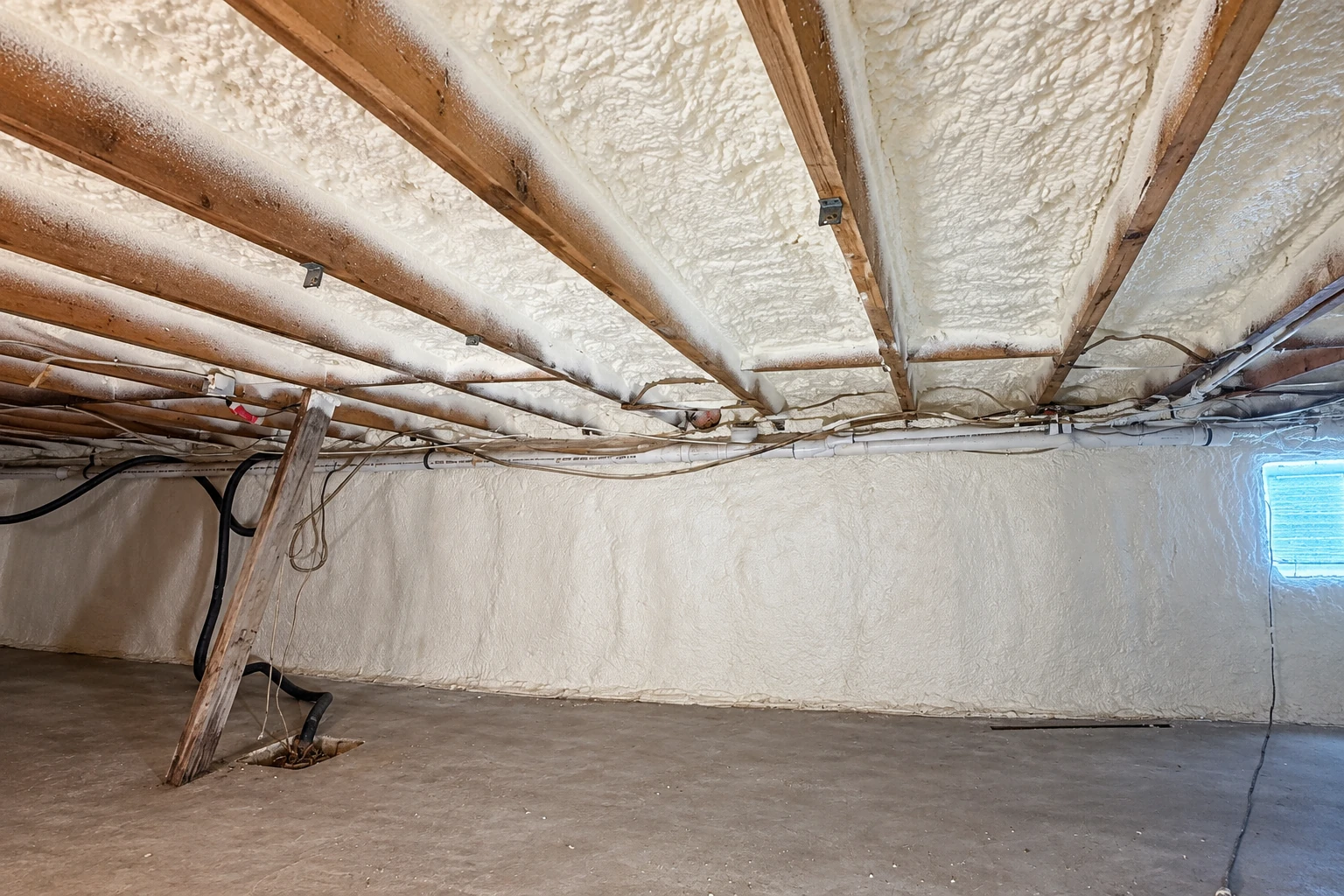
A bare dirt floor under the house sends moisture up into framing and insulation, so we lay a vapor barrier, a plastic sheet over the soil, to hold it back.
Walls and ceilings near a bathroom, garage or damp crawl space sometimes need a vapor barrier with the insulation, and I'll tell you plainly when yours doesn't.
Before anything gets blown in, we seal the tops of the walls, wire holes, flue gaps and the hatch, because once insulation covers them nobody's going back to do it.
Older homes built with little insulation can be brought up to date without tearing out walls, because we work through the attic, the crawl space and small access holes.
Send us a few lines about what's going on at your Cotati house and we'll reply within one business day to set up a time. I come out for every estimate myself, look in the attic and crawl space, and walk you through what I find. It's free, and there's no obligation.
(707) 576-6028The City of Cotati's Building Division issues permits here, and it wants one for most physical changes, upgrades and repairs to a property, with a short list of exceptions. Insulation isn't spelled out on that list, so before we put your job on the calendar I check with the city, and if a permit is needed, the start date waits on it.
There are two things you can check on any contractor you're thinking of hiring. Their state license can be looked up with the Contractors State License Board, and Cotati separately requires a City business license from every business working here, even one based in another city like we are. When a permit is needed, we apply for it, keep you posted and set up the inspections with the city.
The price moves with what's already up there and what has to happen before new insulation goes in, like whether old material comes out, how many gaps need sealing, how easy the attic or crawl space is to get into, and whether foam makes sense. The schedule turns mostly on the permit and on removal. I go over both on site, the same way I do for homeowners from Petaluma up to Windsor.
I started out hauling bags and crawling through attics on a small crew, and the lead I worked under taught me to look at the whole house before selling anybody anything. I still work that way. That's why I come out for every estimate myself, and why I'll tell you when a top-up isn't worth the money yet.
We've been doing this since 2021, and we're licensed and insured. Our crew does the work, with me on site or one of our lead installers running the day, and we care about the order more than speed. We clear out what's bad, seal the gaps, keep the eave vents along the roof edge open so the attic can breathe, then insulate evenly out to the edges, where most attics come up short.
Satisfaction guaranteed, and I'd rather you understand your own house when we leave than just take my word for it. Call (707) 576-6028 or send us a note through our form and tell me what's bugging you about the place.
A few things about Cotati and the houses here change how I'd approach your attic or crawl space, and they're the first things I look at when I come out.
Summer fog often slips through a gap in the hills near Petaluma and settles over Cotati, so it runs cooler and less sunny than Santa Rosa or Sebastopol. That means your house spends more of the year holding heat in than keeping it out. Damp air also means moisture can build up in the framing if the attic can't breathe, so clear eave vents and sealed gaps matter here.
The inches already in your attic and the age of the house tell me more than anything else. An older home might have a few inches packed flat, while a newer one can look full in the middle and still be thin out by the eaves. Deep in the middle and thin at the edges is backward, so we bring the edges up first.
Plenty of houses here sit over a crawl space instead of a slab, and that's usually where cold floors come from. I check the dirt for a vapor barrier, the insulation for sag, and the floor for droppings or old water stains, because adding new material over a wet or dirty mess only hides it until it shows up somewhere else.
If your heating ducts run through the attic, foam deserves a serious look, because it seals air as it insulates and keeps those ducts inside the warm part of the house. It costs more, though. When the ducts live somewhere else, sealing the gaps and topping up with blown-in usually gets you most of the comfort for a lot less.
It may. Cotati requires a Building Permit for most physical changes and repairs to a property, and its list of work exempt from permits covers finish jobs like painting, tiling and cabinets without naming insulation. The city's own advice is to ask before work begins, so we check for you before your job starts.
The price comes down to your attic's size, what's already in it and what has to be done before new insulation goes in. Removing soaked or dirty material, sealing a lot of gaps or choosing foam over blown-in all raise it, while a clean attic that just needs a top-up costs the least. I'll give you a figure once I've seen it.
A straight top-up goes quickest, and removal or a full round of air sealing adds time, because each step has to be finished before the next one covers it. I'll tell you how long we expect to be there when I come out, since that's when I can actually see the attic.
Yes, for spray foam the kids and pets need to be out while we spray and until the re-entry time, which is when it's safe to come back inside. I'll tell you that time before we start so you can plan the day. Blown-in work in the attic usually doesn't need you to leave.
Only if it's damaged. Insulation that's been soaked by a roof leak or is full of rodent droppings should come out, because new material on top just traps the problem. Old insulation that's dry and clean can usually stay, and we add to it once the gaps underneath are sealed.
Clear a path to the attic hatch or crawl space door, and move anything stored right under or around them, since that's where we'll be coming and going. Boxes stored in the attic itself are worth pulling down if you can. Let me know about pets ahead of time, and I'll walk you through the rest on site.
Peek through the hatch with a flashlight and tell us roughly how many inches you see when you call (707) 576-6028 or fill out our form, and I'll come out already knowing where to start.